Bəzi insanlar kitab yazırlar.
Bəziləri isə öz həyatlarını kitaba çevirirlər.
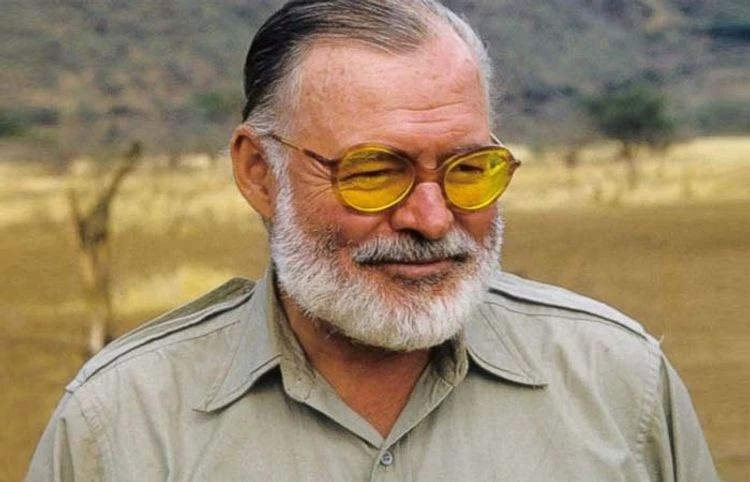
Ernest Heminquey ikinci yolun yolçularından idi. Onun taleyi də, qələmi də eyni dərəcədə sərt, sarsıdıcı və həqiqi idi. O, yalnız roman müəllifi deyildi. O, müharibələrin tüstüsünü nəfəsinə çəkən, ölümün gözlərinə baxan, okeanların dalğaları ilə danışan, insan ruhunun ən dərin yaralarını sözə çevirən bir sənətkar idi.
Fortunamag.az bildirir ki, 1899-cu il iyulun 21-də Amerikanın İllinoys ştatının sakit Oak Park şəhərində dünyaya gələn Ernest Heminquey sonralar bütün dünyanın ədəbi yaddaşına çevriləcəkdi. Heç kim bilmirdi ki, bu sakit şəhərdə doğulan balaca oğlan gələcəkdə milyonlarla insanın qəlbində yaşayacaq.
Uşaqlıq illərində təbiət onun ilk müəllimi oldu. Meşələrin səssizliyi, göllərin sonsuzluğu, ovun həyəcanı, balıqçılığın səbri... Bunlar sadəcə uşaqlıq xatirələri deyildi. Sonralar həmin duyğular onun romanlarının nəfəsinə çevrildi. Çünki Heminquey üçün insan təbiətdən ayrı deyildi; insan da təbiətin özü qədər güclü, kövrək və dözümlü idi.
Gənclik illərində jurnalistika ilə məşğul oldu. Qəzet redaksiyalarında qazandığı təcrübə onun yazı üslubunu formalaşdırdı. Lazımsız sözlərdən qaçmaq, fikri qısa, dəqiq və güclü ifadə etmək onun həyat prinsipinə çevrildi. Hər cümləsi ox kimi düz, hər sözü daş qədər ağır idi.
Birinci Dünya müharibəsi başlayanda cəbhəyə getmək istədi. Gözündəki problem səbəbindən əsgər kimi qəbul edilmədi. Lakin geri çəkilmədi. Könüllü olaraq İtaliyada təcili yardım sürücüsü kimi xidmət göstərdi. Cəbhədə aldığı ağır yaralar onun bədənində iz buraxdı, amma ruhunda daha dərin yaralar açdı. Müharibə ona insan həyatının nə qədər kövrək olduğunu öyrətdi.
Elə buna görə də onun əsərlərində qəhrəmanlar heç vaxt mükəmməl deyillər. Onlar qorxurlar, ağrıyırlar, sevirlər, itirirlər və yenidən ayağa qalxırlar.
Heminquey yazının sadəliyini sənətin zirvəsinə çevirdi. O inanırdı ki, yazıçı hər şeyi deməməlidir. Əsl sənət görünməyəndə gizlənir. Məşhur "buz dağının nəzəriyyəsi" də məhz bu düşüncədən doğmuşdu. Oxucu yalnız suyun üstündə görünən hissəni oxuyur, əsl dərinlik isə görünməyən qatlarda yaşayır.
O deyirdi:
"Yaxşı yazıçı dənizin altındakı buz dağını da görə bilən adamdır."
Bu fikir onun bütün yaradıcılığının mahiyyətidir.
Heminquey müharibədən yazdı, amma müharibəni tərifləmədi.
Sevgidən yazdı, amma onu nağıl etmədi.
Qəhrəmanlıqdan yazdı, amma insanın zəifliyini gizlətmədi.
Onun qəhrəmanları həyatla ölüm arasında, ümidlə ümidsizlik arasında, qalibiyyətlə məğlubiyyət arasında yaşamağı bacaran insanlardır.
Ən məşhur əsərlərindən biri olan "Qoca və dəniz" yalnız qoca balıqçı Santyaqonun hekayəsi deyil. Bu, insanın taleyə qarşı mübarizəsinin, məğlub olsa belə ruhən sınmamağın əbədi simvoludur.
Əsərdə deyilən məşhur fikir bu gün də milyonlarla insan üçün həyat düsturudur:
"İnsanı məğlub etmək olar, amma məhv etmək olmaz."
"Əlvida, silah!" müharibənin insan taleyində açdığı yaraları göstərir.
"Günəş də doğur" Birinci Dünya müharibəsindən sonra mənasını itirmiş bir nəslin daxili boşluğunu təsvir edir.
"Zəng kimin üçün çalır" isə azadlıq uğrunda mübarizənin, sevginin və fədakarlığın unudulmaz dastanıdır.
1954-cü ildə Ernest Heminquey Nobel Ədəbiyyat Mükafatına layiq görüldü. Bu mükafat təkcə bir yazıçıya deyil, həqiqətin sadə sözlərlə ifadə olunmasının qüdrətinə verilmiş qiymət idi.
Lakin şöhrət insanın bütün ağrılarını sağaltmır.
Afrikada keçirdiyi ağır təyyarə qəzaları, ard-arda yaşadığı sağlamlıq problemləri, uzun illər onu müşayiət edən fiziki ağrılar və dərin psixoloji sarsıntılar böyük yazıçının həyatını kölgəyə bürüdü. Ömrünün son illərində depressiya ilə mübarizə aparan Heminquey 1961-ci il iyulun 2-də həyatına özü son qoydu.
Onun cismani ömrü bitdi.
Amma böyük yazıçılar ölmürlər.
Onlar kitab rəflərində, kitabxanalarda, oxucu yaddaşında və insan ruhunda yaşamağa davam edirlər.
Bu gün dünyanın hansı ölkəsinə getsəniz, hansı dildə danışsanız, Ernest Heminqueyin adı mütləq hörmətlə çəkiləcək. Çünki o, yalnız Amerika ədəbiyyatının deyil, dünya ədəbiyyatının ən uca zirvələrindən biridir.
Onun yaratdığı qəhrəmanlar bizə öyrədir ki, həyat bəzən insanı diz çökdürə bilər, amma iradəsini əlindən ala bilməz.
Heminqueyin sözləri isə illər keçsə də eyni güclə səslənir:
İnsan gücü məğlubiyyətsizlikdə deyil, hər məğlubiyyətdən sonra yenidən ayağa qalxa bilməsindədir.
Bəlkə də buna görə Ernest Heminquey sadəcə böyük yazıçı deyil.
O, insan ruhunun ən cəsur tərcüməçilərindən biri olaraq dünya ədəbiyyatında əbədi yaşayır.