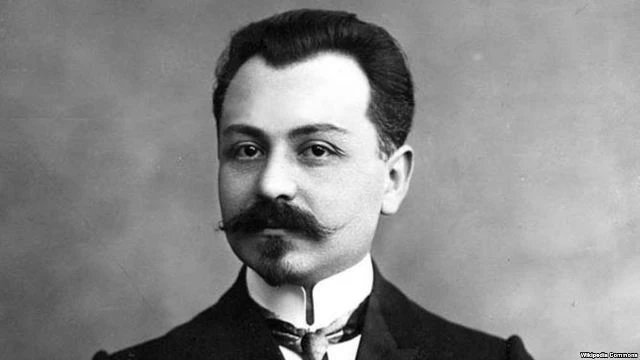
19 iyun Azərbaycan Xalq Cümhuriyyətinin qurucularından, müstəqil Azərbaycanın ilk Baş naziri Fətəli xan Xoyskinin anım günüdür. Düz bir əsrdən artıq vaxt keçsə də, onun adı milli dövlətçilik tariximizin ən şərəfli səhifələrində yaşayır.
Bəzi insanlar öz dövrlərinin nümayəndəsi olur, bəziləri isə bütöv bir xalqın taleyini dəyişən şəxsiyyətə çevrilirlər. Fətəli xan Xoyski məhz belə insanlardan idi. O, yalnız bir hökumət başçısı deyildi. O, dövlət qurucusu, hüquqşünas, diplomat və ən əsası, Azərbaycanın müstəqilliyinə inanan böyük vətənpərvər idi.
Fortunamag.az bildirir ki, Fətəli xan Xoyski 1875-ci il dekabrın 7-də Şəkidə, tanınmış və nüfuzlu Xoyski nəslində dünyaya göz açıb. Atası İsgəndər xan Rusiya imperiyası ordusunda general-leytenant rütbəsinə qədər yüksəlmiş hərbçi idi. Ailədə elmə və təhsilə verilən dəyər gələcək dövlət xadiminin formalaşmasında mühüm rol oynadı.
Gəncə Klassik Gimnaziyasında təhsil alan Fətəli xan daha sonra Moskva Universitetinin hüquq fakültəsini bitirdi. Hələ tələbəlik illərində hüquq, dövlət idarəçiliyi və demokratik dəyərlərlə yaxından maraqlanırdı. Ali təhsilini başa vurduqdan sonra müxtəlif şəhərlərdə hüquq-mühafizə və məhkəmə orqanlarında çalışaraq peşəkar hüquqşünas kimi tanındı.
1907-ci ildə Rusiya Dövlət Dumasına deputat seçilməsi onun siyasi fəaliyyətində yeni mərhələnin başlanğıcı oldu. Dumada müsəlman xalqlarının hüquqlarını müdafiə edən Fətəli xan milli ayrı-seçkiliyə qarşı çıxır, təhsil və vətəndaş azadlıqları ilə bağlı mühüm çıxışlar edirdi.
1917-ci ildə Rusiya imperiyasının süqutu ilə Qafqazda yeni siyasi reallıq yarandı. Tarix Azərbaycan xalqının qarşısına taleyüklü seçim qoymuşdu. Məhz belə bir mürəkkəb dövrdə Fətəli xan Xoyski xalqının yanında oldu.
1918-ci il mayın 28-də Tiflisdə Azərbaycan Xalq Cümhuriyyəti elan ediləndə yeni dövlətin ilk hökumətinə rəhbərlik etmək məsuliyyəti məhz ona həvalə edildi. Bu, təkcə yüksək vəzifə deyil, həm də son dərəcə ağır yük idi. Çünki yeni yaranan dövlətin nə sabit iqtisadiyyatı, nə güclü ordusu, nə də tam formalaşmış idarəetmə sistemi vardı.
Fətəli xan faktiki olaraq sıfırdan dövlət qurmağa başladı. Nazirliklər yaradıldı, dövlət idarəetmə sistemi formalaşdırıldı, milli ordu quruldu, maliyyə və vergi mexanizmləri təsis edildi. Bütün bunlar daxili və xarici təhdidlərin hökm sürdüyü son dərəcə mürəkkəb şəraitdə həyata keçirilirdi.
1918-ci ilin sentyabrında Bakının işğaldan azad olunması və hökumətin paytaxta köçməsi gənc dövlətin tarixində mühüm dönüş nöqtəsi oldu. Bu uğur həm də Fətəli xan Xoyskinin uzaqgörən siyasətinin nəticəsi idi.
Onun rəhbərliyi dövründə Azərbaycan parlamenti fəaliyyətə başladı, ana dilinin inkişafı istiqamətində mühüm addımlar atıldı, demokratik idarəetmə prinsipləri tətbiq olundu. O dövrün bir çox dövlətlərindən fərqli olaraq Azərbaycan Parlamenti müxtəlif millətlərin nümayəndələrini özündə birləşdirirdi ki, bu da Cümhuriyyətin demokratik mahiyyətini göstərirdi.
Fətəli xan Xoyski diplomatik sahədə də böyük xidmətlər göstərdi. Xarici işlər naziri kimi Azərbaycanın beynəlxalq aləmdə tanınması üçün mühüm fəaliyyət həyata keçirdi. Onun səyləri nəticəsində 1920-ci ilin yanvarında Azərbaycan bir sıra aparıcı dövlətlər tərəfindən de-fakto tanındı. Bu, cəmi iki illik tarixi olan gənc dövlət üçün böyük uğur idi.
Lakin Cümhuriyyətin ömrü uzun sürmədi. 1920-ci ilin aprelində bolşevik Rusiyasının hərbi müdaxiləsi nəticəsində Azərbaycan Xalq Cümhuriyyəti süqut etdi. Fətəli xan Bakını tərk edərək Tiflisə köçdü.
Ancaq müstəqil Azərbaycan ideyasının memarlarından biri olan bu böyük şəxsiyyətə qarşı nifrət və qisas hissi onun ardınca gəlirdi.
1920-ci il iyunun 19-da Tiflisin mərkəzində erməni terrorçuları tərəfindən təşkil edilən sui-qəsd nəticəsində Fətəli xan Xoyski qətlə yetirildi. Həmin terror aktı zamanı Azərbaycan Xalq Cümhuriyyətinin keçmiş daxili işlər və ədliyyə naziri Xəlil bəy Xasməmmədov da ağır yaralandı.
Cəmi 44 il ömür sürən Fətəli xan Xoyski qısa həyatına bütöv bir dövlətin tarixini sığdırmağı bacardı. O, yalnız Azərbaycanın ilk Baş naziri deyil, həm də müstəqil dövlətçilik ənənələrinin banilərindən biri kimi tarixə düşdü.
Bu gün Azərbaycan dövlətçiliyindən danışarkən Fətəli xan Xoyskinin adı xüsusi ehtiramla çəkilir. Çünki müstəqillik yalnız elan olunmur, həm də qurulur, qorunur və yaşadılır. Fətəli xan Xoyski məhz bunu bacaran şəxsiyyətlərdən idi.
Tarixdə elə insanlar var ki, onların ömrü qısa, izi isə əbədi olur. Fətəli xan Xoyski də həmin insanlardandır. Onun adı Azərbaycan dövlətçiliyinin təməl daşlarından biri kimi gələcək nəsillərin yaddaşında daim yaşayacaq.