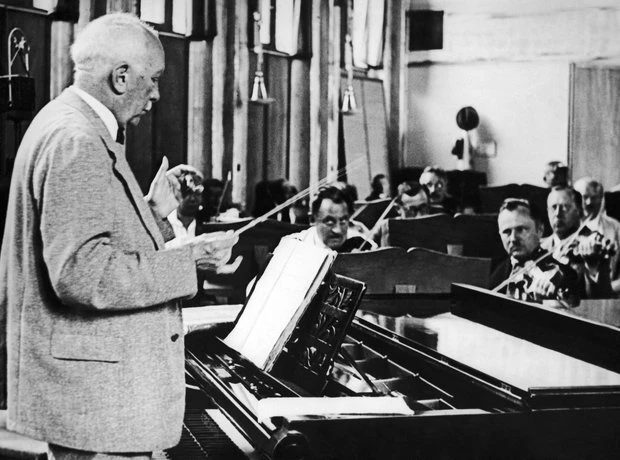
Alman musiqisinin böyük simalarından biri, romantik dövrün son nəhənglərindən sayılan Rixard Ştraus təkcə simfonik əsərləri və operaları ilə deyil, həm də yaratdığı musiqi dünyasının dərinliyi ilə yadda qalıb. Onun əsərlərində insan ruhunun mübarizəsi, təbiətin möhtəşəmliyi və həyatın fəlsəfi tərəfləri öz əksini tapır.
Fortunamag.az bildirir ki, 1935-ci ildə Ştraus həyatının mühüm mərhələlərindən birini yaşamaq üçün Almaniyanın Qarmiş-Partenkirxen şəhərinə köçür. Alp dağlarının əhatəsində yerləşən bu sakit məkan bəstəkar üçün sadəcə yaşayış ünvanı deyil, ilham mənbəyinə çevrilir. Məhz burada o, məşhur “Alp simfoniyası” əsərini yaradır.
Bu gün həmin küçələrdə addımlayan bir insan üçün Ştrausun izlərini tapmaq həm tarixi, həm də duyğusal bir səyahətə çevrilir. Qarmişin kənarında bəstəkarın illərlə yaşayıb yaratdığı villa hələ də mövcuddur. Lakin zaman dəyişib, ev artıq şəxsi mülkə çevrilib. Qapıları ziyarətçilər üçün açıq olmasa da, kənardan baxanda belə bu məkanın divarlarında böyük bir sənətkarın nəfəsini hiss etmək mümkündür.
Alp dağlarının təmiz havasında dayanarkən insan düşünür: bəlkə də Ştrausun ilhamı elə bu təbiətin özündən gəlirdi. Çünki bu dağlarda yalnız küləyin səsi deyil, sanki görünməz notlar da dolaşır. Təbiətin möhtəşəmliyi onun musiqisində bir daha canlanırdı.
Ştrausun yaradıcılığında dağlar yalnız mənzərə deyildi — onlar ruhun yüksəlişinin simvolu idi. Onun üçün Alp zirvələri insanın daxili dünyasına aparan yol, sakitlik və düşüncə məkanı idi.
Amma eyni coğrafiya tarixdə başqa xatirələrlə də bağlıdır. Qafqaz dağlarında müharibənin səsləndirdiyi güllə səsləri, XX əsrin faciələri və insanlığın yaşadığı ziddiyyətlər Avropanın bu sakit guşəsindən çox uzaqda olsa da, həmin dövrün tarixində iz buraxdı.
Bəlkə də elə buna görə Ştrausun son əsərlərindən biri olan “Im Abendrot”da həyatın yorğunluğunu və sakitliyə qovuşmaq arzusunu hiss etmək mümkündür:
“Biz çox yol getdik… indi dincəlmək vaxtıdır…”
Rixard Ştraus üçün dağlar ruhun yüksəlişi idi. Lakin eyni dövrdə həmin torpaqların siyasi ideologiyalar üçün güc və hökmranlıq simvoluna çevrilməsi XX əsrin ən böyük ziddiyyətlərindən birini yaratdı.
Bir bəstəkar təbiətin sükutunda gözəllik axtarırdı, tarix isə həmin sükutun içində insanlığın ağır sınaqlarını yazırdı.
Qarmiş-Partenkirxendə bu gün də Alp küləyi əsir. Bəlkə də o küləyin içində hələ də Ştrausun notları dolaşır — sakit, dərin və zamana meydan oxuyan notlar.