Sürətli dəyişikliklər dövründə, həyatı qısamüddətli tendensiyalara tabe olmayan insanların dəyəri xüsusilə aydın görünür. Onların yolu təsadüfi hadisələr zənciri deyil, zaman, mədəniyyətlər və mənalar arasında düşüncəli bir hərəkətdir. Onların sözləri tələsmədən, lakin nadir bir aydınlığa malikdir - yalnız təcrübə, dünyaya diqqət və dinləmə qabiliyyəti ilə gələn bir növ.
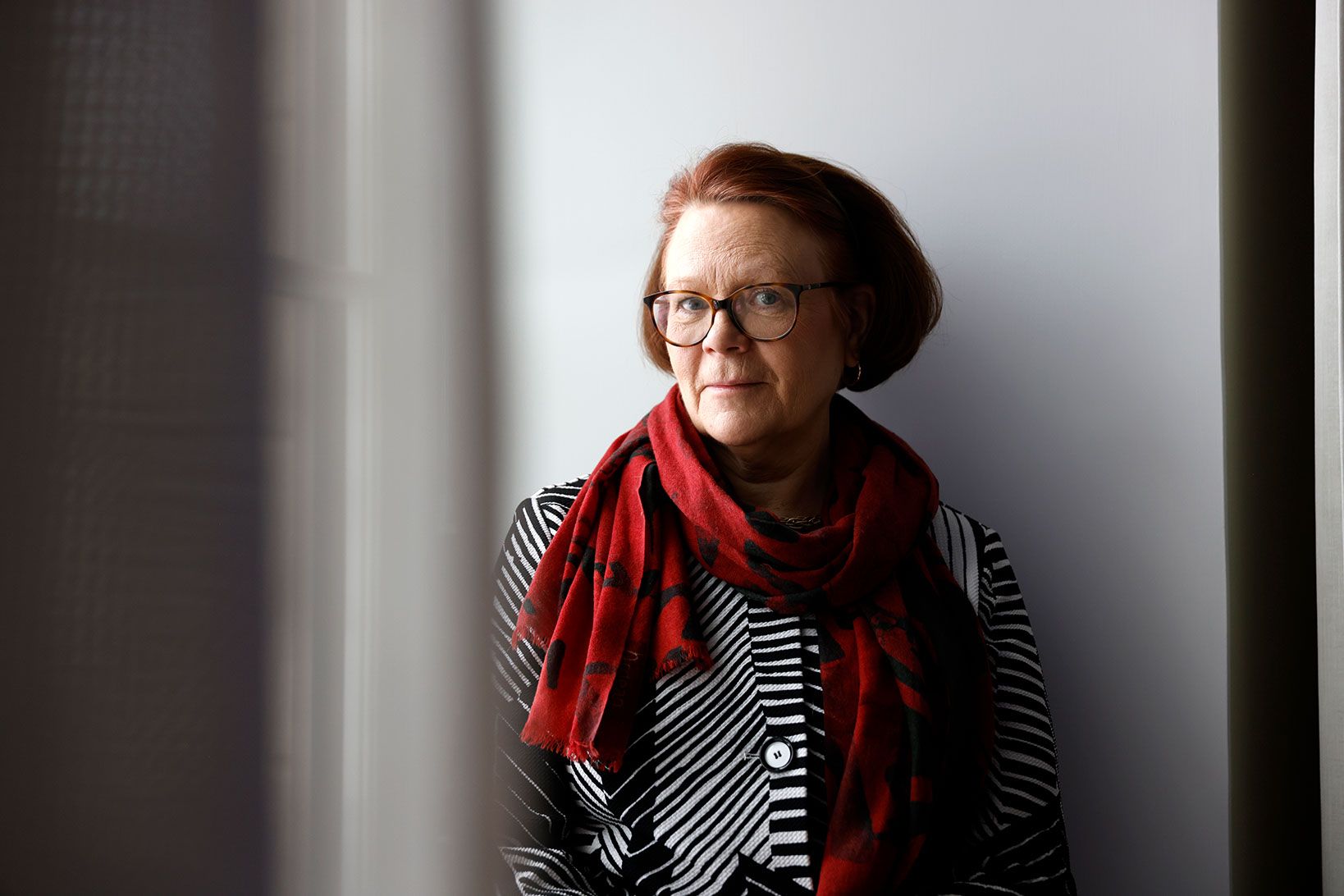
Finlandiyanın Azərbaycandakı səfiri Kirsti Narinen ilə söhbət məhz belə bir haldır. Bu, sadəcə bir dialoq deyil, insan potensialı, təhsilin gücü, liderliyin təbiəti və şərait dəyişdikcə və illər keçdikcə həqiqətən vacib olaraq qalan şeylər haqqında bir düşüncədir.Bəlkə də bu söhbətdə qaldırılan əsas sual siyasət və karyeradan çox kənara çıxır. Bu, hər birimizə - seçimlərimizə, münasibətlərimizə və daxili mənliyimizə aiddir. 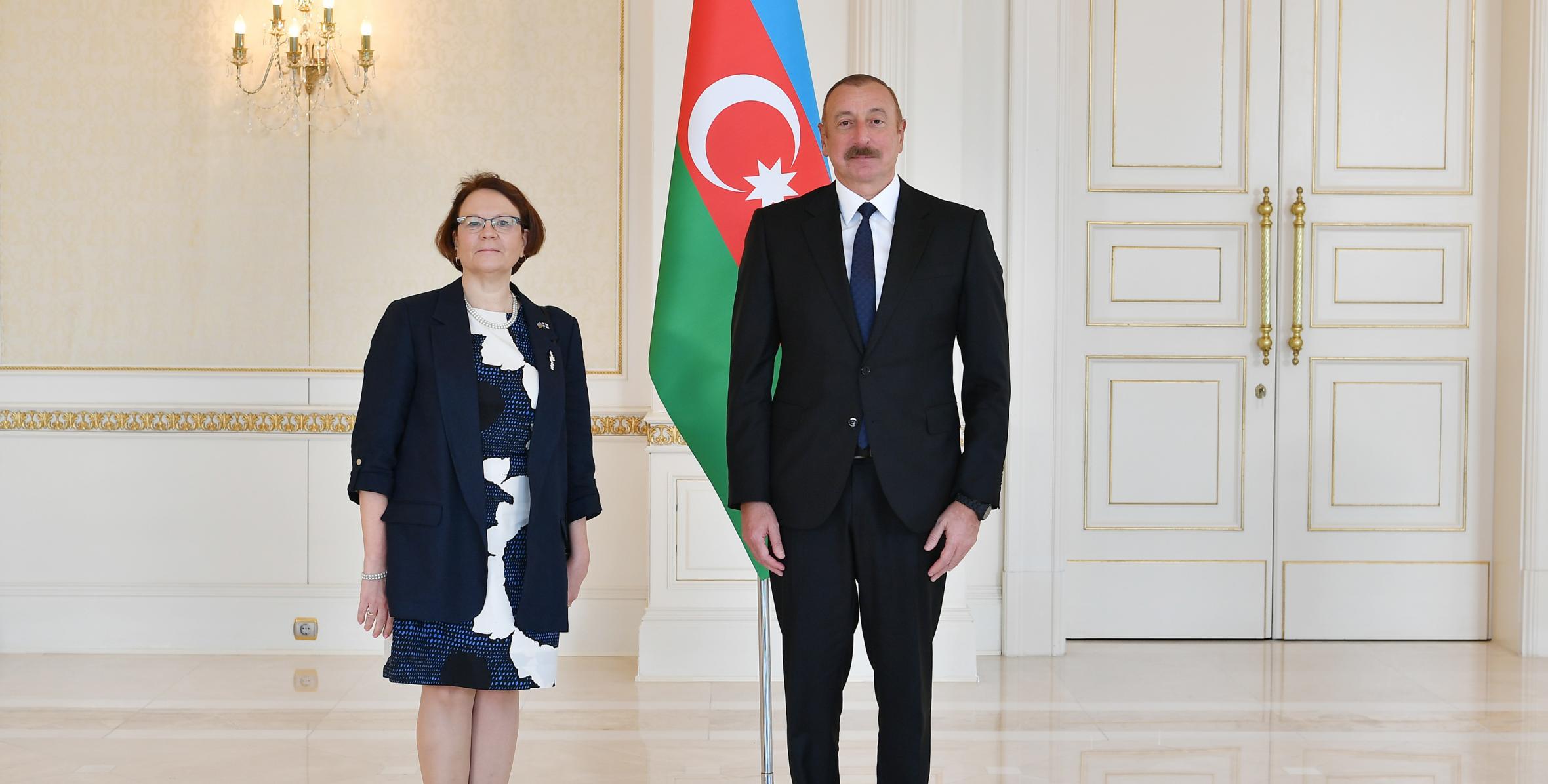 — Kirsti xanım, Azərbaycana xoş gəlmisiniz. Zəhmət olmasa, özünüz və fəaliyyətiniz haqqında bizə məlumat verin.
— Dəvət üçün təşəkkür edirəm. Mənim adım Kirsti Narinendir, 65 yaşım var və Finlandiyanı Cənubi Qafqaz ölkələrində - Azərbaycan, Ermənistan və Gürcüstanda təmsil edirəm. 2020-ci ilin payızından bəri bu vəzifədəyəm. Bu müddət ərzində çox şey baş verib və hər il özünəməxsus şəkildə əlamətdar olub.Təhsil aldığım hüquqşünasam. Artıq 42 ildir ki, Finlandiya Xarici İşlər Nazirliyində çalışıram, karyerama 1 iyunda başlamışam. Bu, uzun və müxtəlif bir səyahət olub. İşimin əhəmiyyətli bir hissəsini keçmiş Sovet İttifaqına həsr etmişəm: iki dəfə Estoniyada işləmişəm və 1985-ci ildə rus dilini öyrənməyə başladığım Leninqradda yaşamışam.Mənim ailəm var: həyat yoldaşım inşaat mühəndisidir və iki övladımız var. Qızım beynəlxalq hüquq üzrə təhsil alır və bu yaxınlarda magistr dərəcəsi almağa başlayıb. Onun 27 yaşı var. Oğlumun 25 yaşı var, musiqi texnologiyası üzrə təhsilini başa vurur, amma artıq başqa bir sahəyə - jurnalistikaya yiyələnməyə qərar verib. Biz onun seçimini məmnuniyyətlə dəstəklədik. Əminəm ki, təhsil insana azadlıq verir. Təhsil olmadan bacardığınız yerdə işləyirsiniz, amma təhsillə birlikdə həqiqətən istədiyiniz yerdə işləyirsiniz.
— Bir neçə dildə danışırsınız...
— Bəli, dillər mənim ən böyük sevgimdir. Fin, İsveç, İngilis, Eston və Rus dillərində danışıram. Fransız, İspan, Alman və Sloven dillərində müxtəlif dərəcələrdə danışa bilirəm. Hazırkı arzum türk dilini, daha sonra isə Azərbaycan dili də daxil olmaqla digər türk dillərini öyrənməkdir. 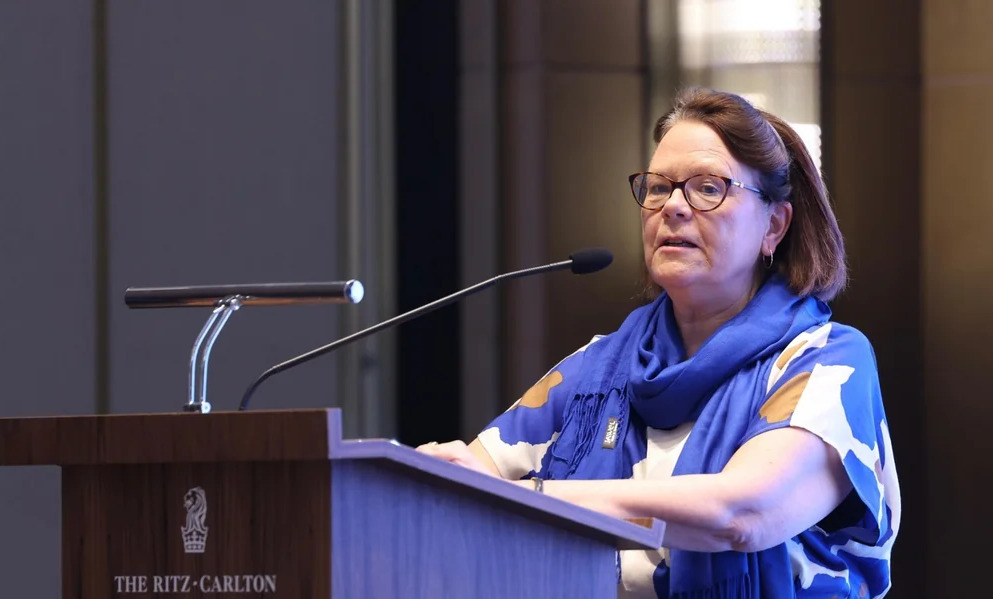
— Qadın liderliyi mövzusu bu gün bütün dünyada aktual mövzudur. Bu sizin üçün nə deməkdir?
— Əvvəla, söhbət insan liderliyindən gedir. Kişilər və qadınlar arasında sərt fərqlər qoymağa meylli deyiləm. Bütün kişilərin lider, qadınların isə evdar qadın olması fikri əsasən sosial stereotipdir.Tarixən qadınlar daha yumşaq bir rola - ailə, uşaqlar, görünüşə - köçürülürdü. Onlardan yaxşı ailə qurmağlarını gözlənilirdi və əgər belə etməsəydilər, cəmiyyət onları "uğursuz" hesab edə bilərdi. Xoşbəxtlikdən, bu baxışlar tədricən keçmişdə qalırlar. İnsan bilik, inkişaf arzusu və daxili güclə müəyyən edilir.Ailənin, yaxınlarınızın və müəllimlərin dəstəyi böyük rol oynayır. Sizə inanan insanlar olduqda, özünüzə inanmağa başlayırsınız. Amma bir insana daim yerinin məhdud olduğu deyilirsə, bunu həqiqət kimi qəbul edə bilərlər.
— O zaman, tərbiyə əsas rol oynayır?
— Əlbəttə. Hər yetkin bir vaxtlar uşaq olub. Uşağın emosiyaların, münaqişələrin və çətinliklərin öhdəsindən necə gəlməyi öyrənməsi onun gələcəyini əsasən müəyyən edir.Sadə bir metafora var: bir fincanda çay varsa, o fincandan yalnız çay süzülə bilər. İnsanın daxilində olan xüsusiyyətlər ozünü xarici şəkildə büruzə verir. Əgər uşaq sevgi ilə böyüyürsə, sevgi verməyi öyrənir. Və bu, hər kəsə - həm kişilərə, həm də qadınlara aiddir.Məsələn, çox ölkələrdə kişilərin emosional təcridi ilə bağlı çətinliklər olar bilər. Onlar hisslər haqqında danışmaqda və təcrübələrini müzakirə etməkdə çətinlik çəkirlər. Bəzən bu, dağıdıcı formalarda özünü göstərə bilən daxili gərginliyə gətirib çıxarır. Burada yenə də hər şey tərbiyə ilə bağlıdır - emosiyaları ifadə etmək və eşidilmək bacarığı. 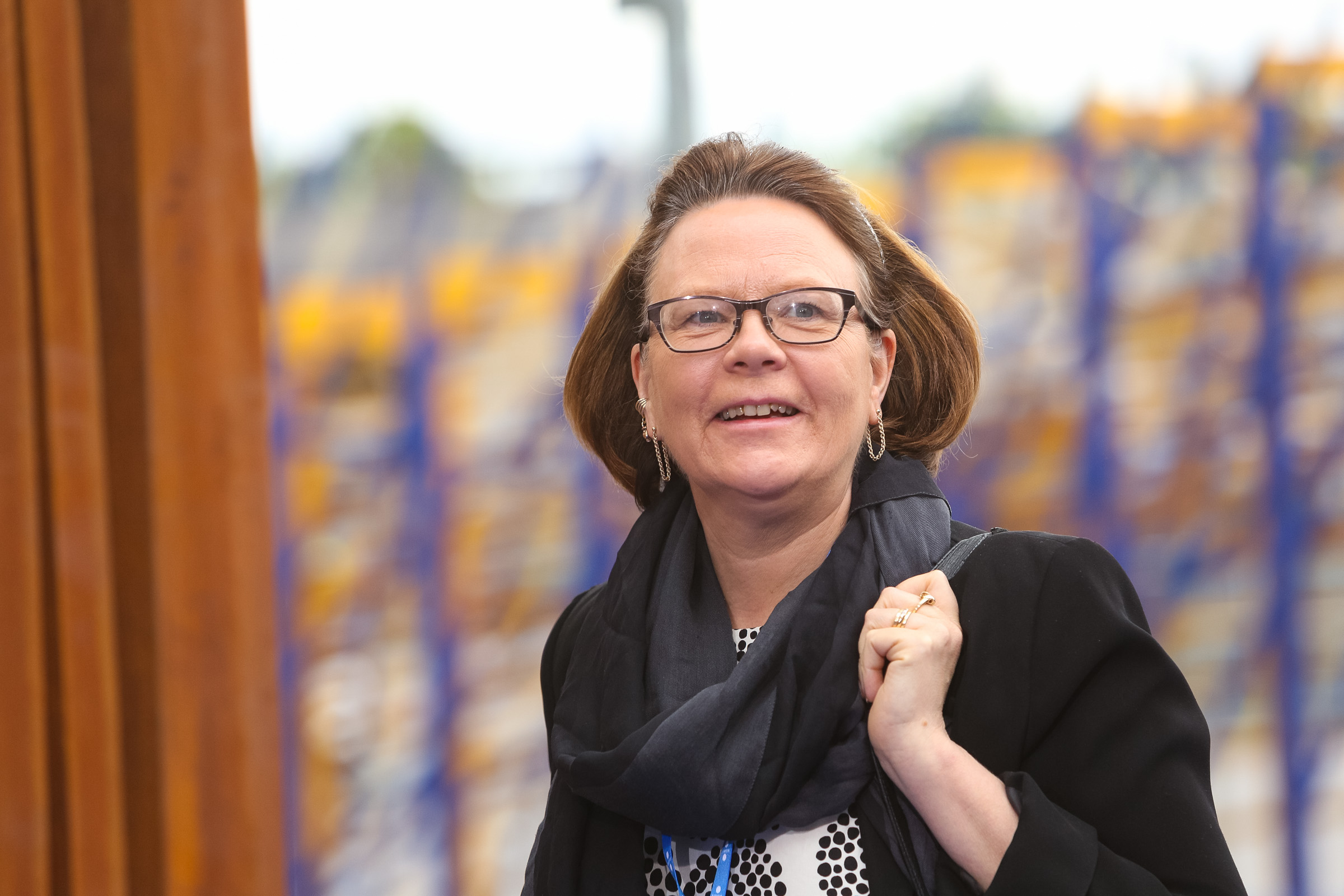 — Müasir qadın liderlərini necə görürsünüz?
— Onlar çox müxtəlifdirlər. Bəziləri sərt, qətiyyətli və nəticəyönümlüdür. Digərləri isə daha yumşaq, insanlara qarşı daha həssas və münasibətlər qurmaqda bacarıqlıdırlar. Mən inanıram ki, qadın liderliyinin gücü onların nüansları görmək və psixologiyanı anlamaq qabiliyyətindədir.Lakin, bir çətinlik var: bəzən həddindən artıq empatiya qərar qəbuletməyə mane ola bilər. Axı lider, ilk növbədə, istiqaməti müəyyən edən biridir. Liderlik liderlik etmək, qərarlar qəbul etmək və onlara görə məsuliyyət daşımaq deməkdir.Yadda saxlamaq vacibdir: heç kimdən yeni vəzifədə ilk gündən mükəmməl olması gözlənilmir. İşəgötürənlər yalnız bacarıqlarına görə deyil, həm də potensiallarına görə seçim edirlər. Buna görə peşəkar şəbəkələr və dəstək çox vacibdir, onlar insanların özlərinə inanmalarına kömək edir.
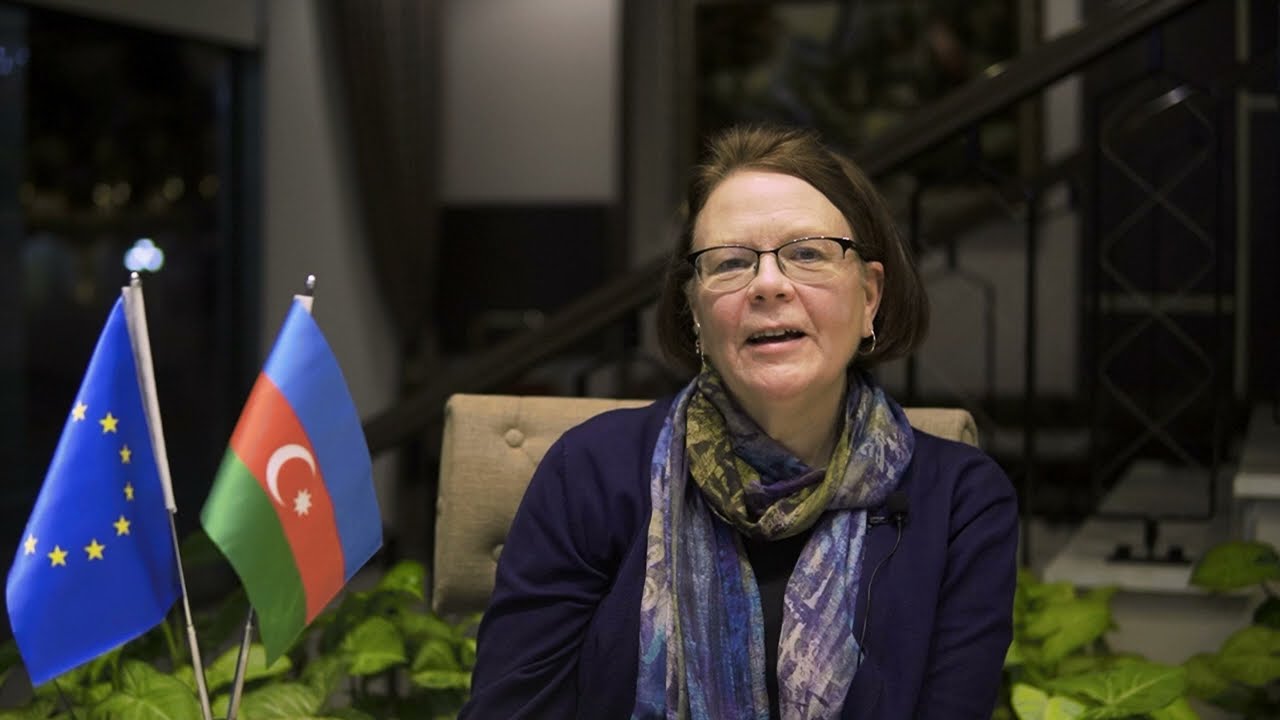 — Bu gün Azərbaycan dinamik inkişaf, dərin ənənələr və güclü insan potensialı ölkəsidir. Hər dəfə Azərbaycana səfər etdiyiniz zaman hansı dəyişiklikləri görürsünüz?
— Hər səfərimdə çox müsbət dinamika görürəm. İlk növbədə insanlar: açıq, mehriban və səmimi. İqtisadi inkişafı, impulsu və böyüməni görürəm. Bu artım təkcə paytaxta deyil, həm də regionlara yayılır.İnsan kapitalına getdikcə daha çox diqqət yetirilməsindən xüsusilə məmnunam. Ən dəyərli resurs insanlar, onların bilikləri, ideyaları və enerjisidir. Gənclərə potensiallarını reallaşdırmaq imkanı vermək çox vacibdir.
— Görüşümüzün əvvəlində çox gözəl bir ifadə səsləndirdiniz: görəsən, insanlar 25 ildən sonra nədən danışacaqlar?
— Bəli, mənim üçün bu, ən vacib suallardan biridir - xüsusən də ruh yoldaşınızı seçmək məsələsinə gəldikdə. Zamanla görünüşlər dəyişir. Şəraitlər də. Amma onilliklər sonra danışacaq mövzularınız varsa, bu, əsl dəyərdir.Mən 30 ildir evliyəm və həyat yoldaşımla hələ də bir-birimizi maraqlı hesab edirik. Biz danışmağa, müzakirə etməyə və fikirlərimizi bölüşməyə davam edirik. Mənim fikrimcə, bu, əsl münasibətin təməlidir.Əgər bütün bu müddətdən sonra hələ də bir-birinizə deyəcək bir sözünüz varsa, deməli, həyatınızdaki ən vacib seçiminizi düzgün etmisiniz.
— Hörmətli xanım Kirsti, bu söhbət üçün təşəkkür edirəm.
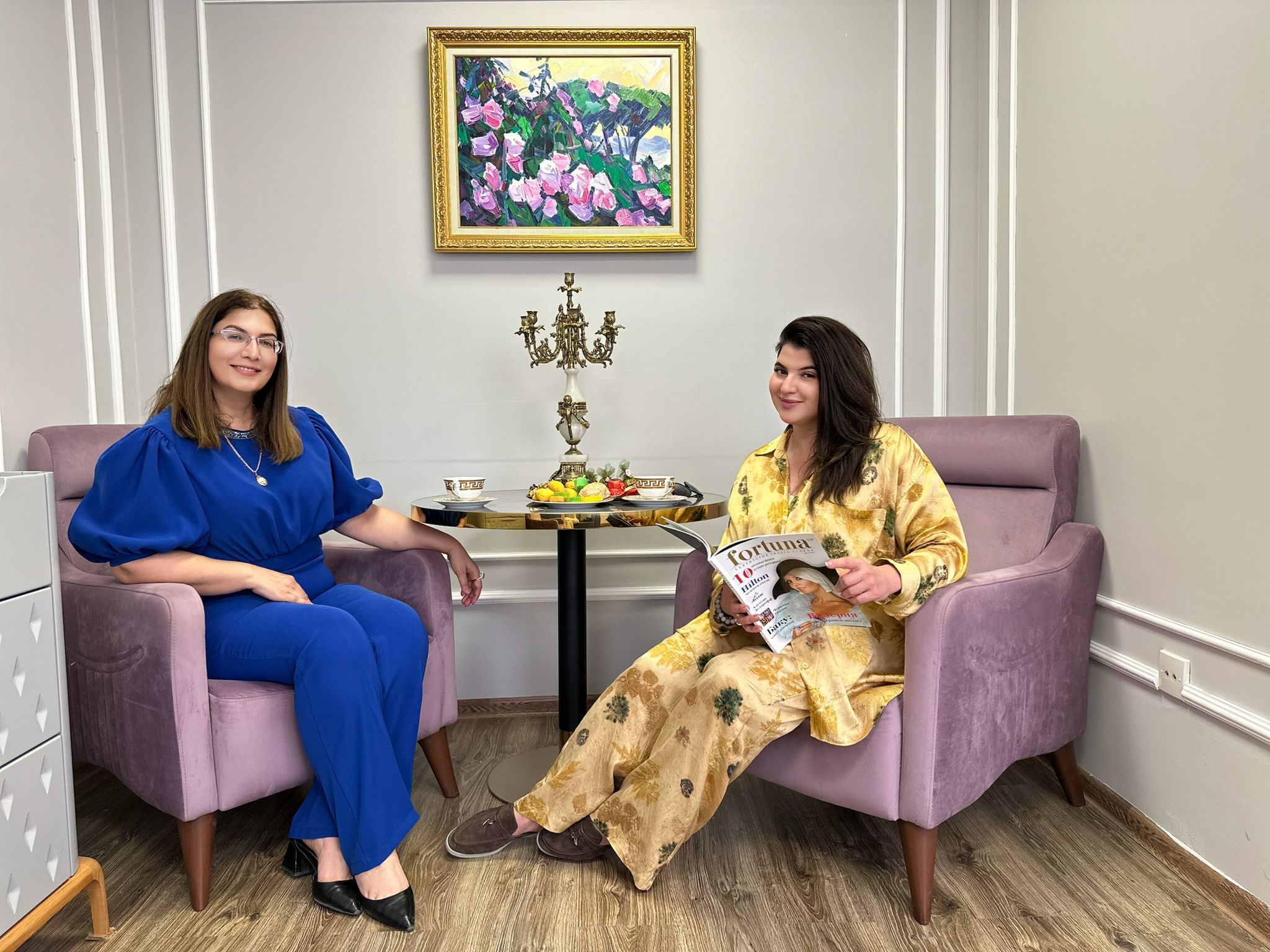
— Təşəkkür edirəm. Məhdud vaxta baxmayaraq, vacib mövzulara toxuna bildik. Ümid edirəm ki, hər bir oxucu bu müsahibədə özündə əks-səda doğuran bir fikir tapacaq. Müsahibəni fortunamag.az baş redaktoru Səidə Musayeva aparıb.