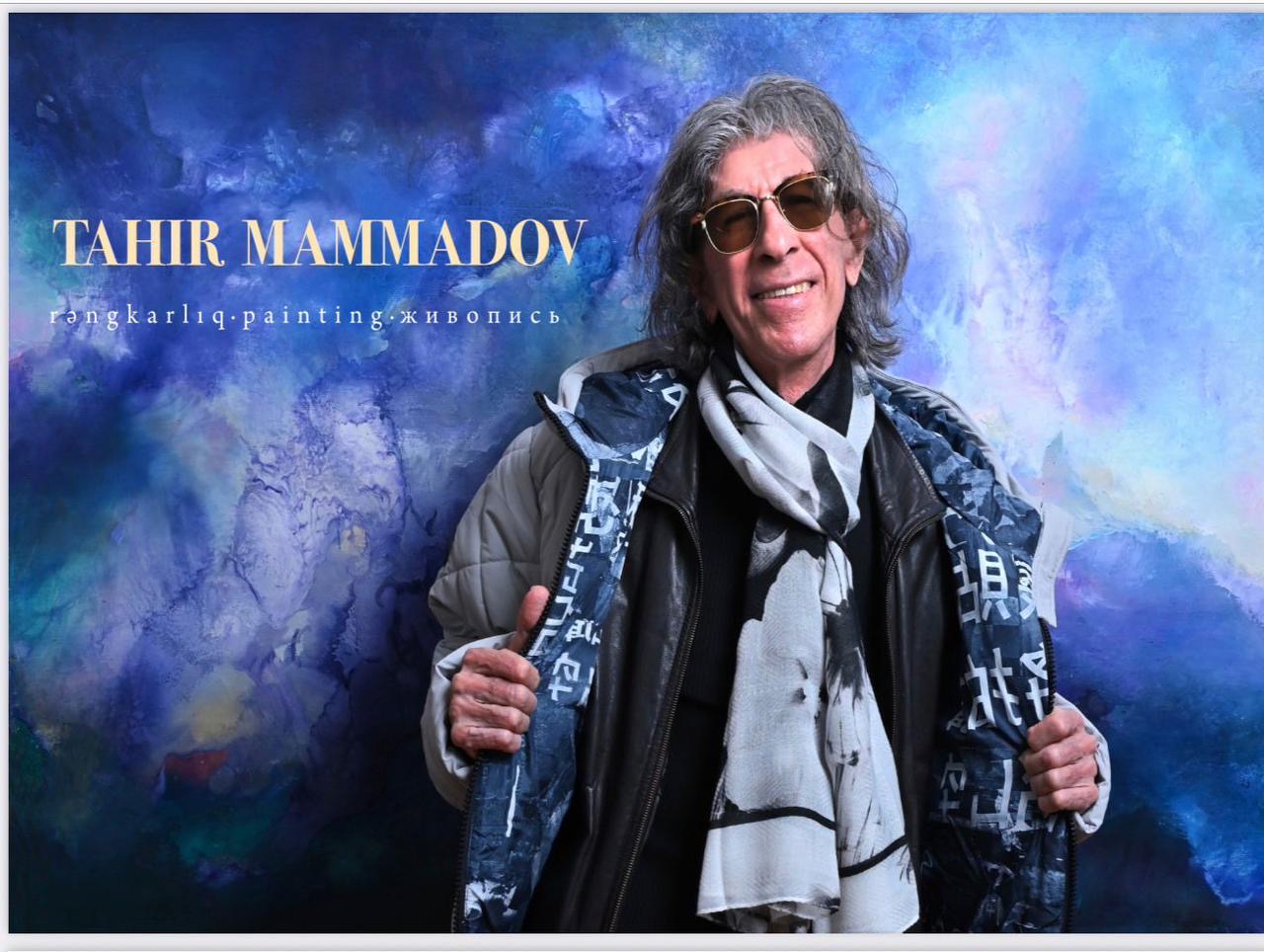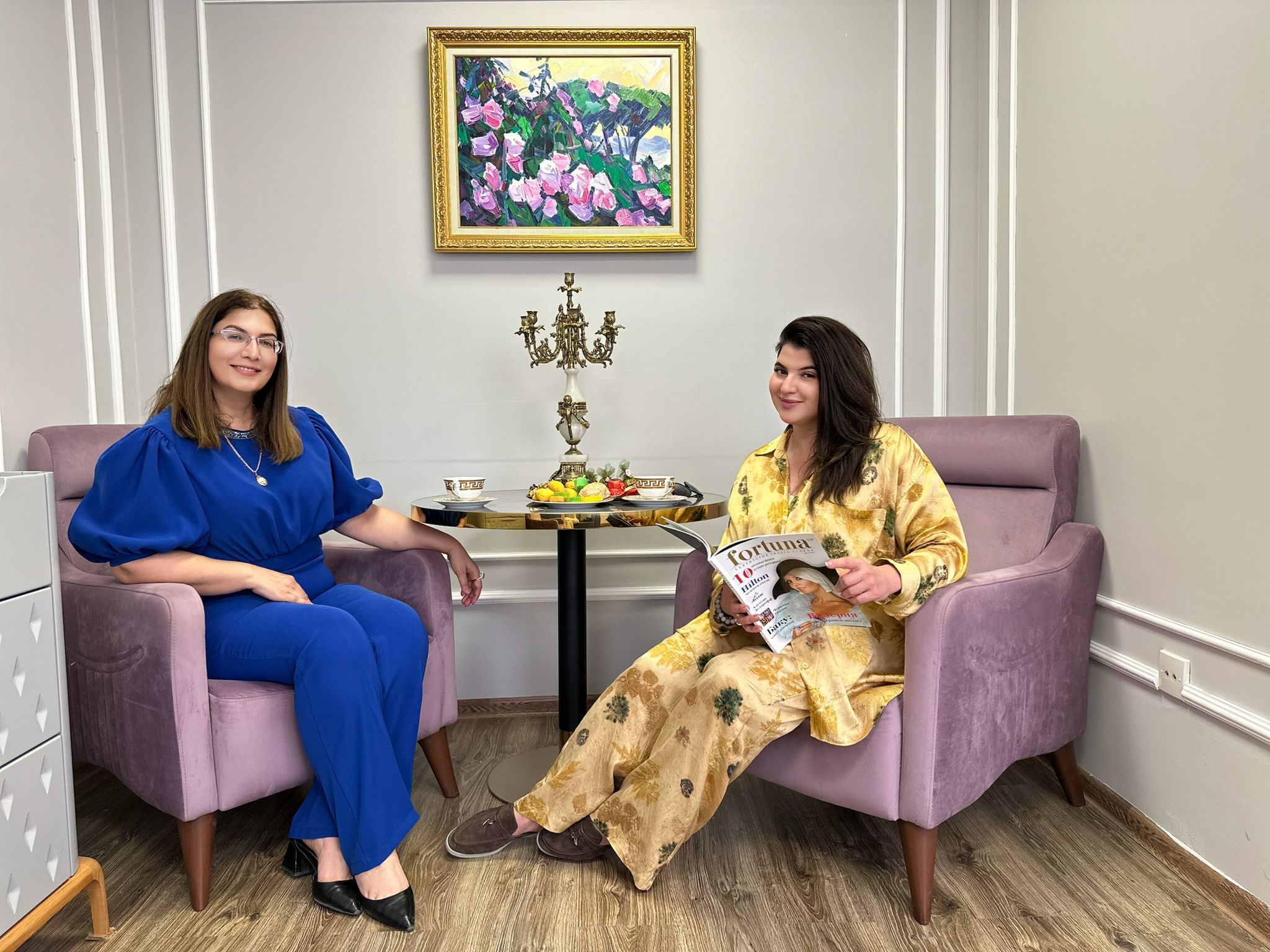
Bəzi insanlar həyatlarını sadəcə yaşamırlar — onu sənətə çevirirlər. Tahir Məmmədov məhz belə insanlardandır. O, yalnız rəssam və rejissor deyil, həm də enerjisi, daxili işığı və həyata sevgisi ilə insanlara ilham verən yaradıcı şəxsiyyətdir. Onun həyat yolu təsadüflərlə deyil, intuisiya, əzm və mənəvi güclə formalaşıb.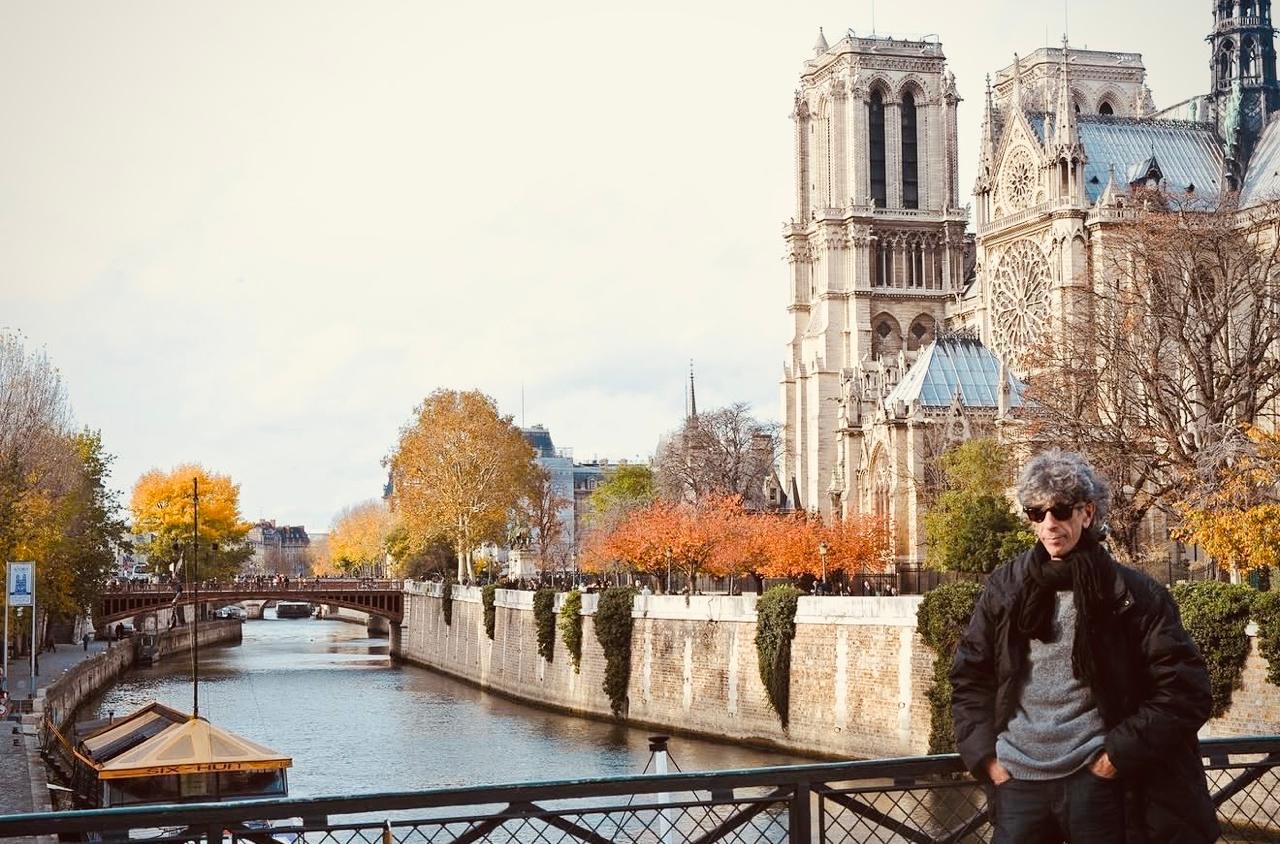 Tahir Məmmədov bir ideyadan sərgi, film və ya minlərlə insanı bir araya gətirən konsert yarada bilən nadir sənət adamlarındandır. O, sənətə olduğu qədər insanlara, həyata və oğlunun yaradıcılıq taleyinə də böyük sevgi ilə yanaşır.Fortunamag.az-a verdiyi eksklüziv müsahibədə Tahir Məmmədov uğur, tale, təsadüf, yaradıcılıq və həyat fəlsəfəsi barədə səmimi düşüncələrini bölüşüb.— Tahir müəllim, “Fortuna” jurnalına xoş gəlmisiniz. Jurnalımızın adı “uğur”anlayışını simvolizə edir. Sizin üçün uğur nə deməkdir?— Məncə, uğur sadəcə təsadüf deyil. Həyatda elə insanlar görmüşəm ki, çox istedadlı, zəhmətkeş və işinə aşiq olsalar da, müəyyən səbəblərdən istədikləri nəticəyə çata bilməyiblər. Çünki bəzi məqamlarda insanın qarşısına doğru imkan çıxmalıdır.Həyat yalnız zəhmətdən ibarət deyil. Zaman, şərait, insanın qarşısına çıxan insanlar və bəzən də görünməyən qüvvələr böyük rol oynayır. Düşünürəm ki, insan ürəkdən istəyirsə və yoluna sadiq qalırsa, həyat da ona cavab verir.
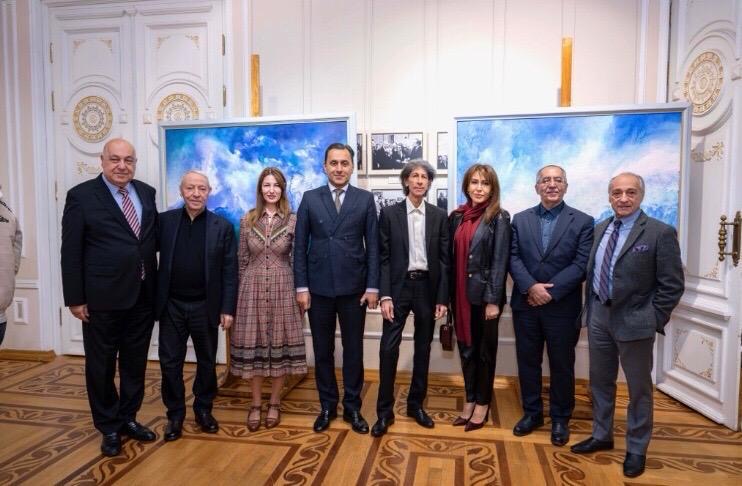 — Deməli, siz uğura inanırsınız?— Bəli, çox inanıram. Hətta düşünürəm ki, uğur insanın daxili enerjisini hiss edir. Əgər insan gördüyü işi sevərək edirsə, onun daxilində xüsusi bir enerji yaranır. O enerji də uğuru özünə çəkir.“Bakının yaradıcı mühiti mənim taleyimi formalaşdırdı”— Siz Bakıda doğulub böyümüsünüz. Şəhər yaradıcılığınıza necə təsir etdi?— Açığı, mən heç vaxt planlı şəkildə rəssam olmağı qarşıma məqsəd qoymamışdım. Sadəcə uşaqlıqdan rəsm çəkməyə böyük marağım vardı. Məktəbdə ən yaxşı bacardığım fənn də rəsm idi.Uşaqlığım Mədəniyyət saraylarında keçib. Rəsm dərnəklərinə, foto studiyalarına, rəqs və musiqi kurslarına gedirdim. O dövrdə yaradıcı mühit çox güclü idi və hər kəs hansısa sənətlə məşğul olurdu.Sonra rəssamlıq məktəbinə daxil oldum. Təhsil aldığım illərdə “Musiqiçilər” mövzusunda diplom işi hazırladım. Daha sonra “Azərbaycan gəncləri” qəzeti ilə əməkdaşlıq etməyə başladım — yazılar yazır, foto çəkir, müsahibələr hazırlayırdım.Eyni zamanda ən böyük arzularımdan biri VGİK-də rejissorluq təhsili almaq idi.— VGİK-ə qəbul prosesi necə oldu?— Moskvaya böyük arzularla getmişdim. İmtahan üçün hekayələrimi və fotolarımı göndərmişdim. Bir müddət sonra məni qəbul imtahanına çağırdılar.İmtahanda “Moskvada yarım saat” mövzusunda ssenari yazmalı idik. Halbuki mən şəhəri demək olar ki, tanımırdım. Amma Bakıda yaşadığım həyəti xatırladım və yaşlı bir insanla uşağın gündəlik həyatını təsvir edən ssenari yazdım. Həmin iş mənim rejissorluğa ilk addımım oldu.— Elə bir an olubmu ki, “bu artıq taledir” demisiniz?— Çox olub. Mənim həyatımda uğur heç vaxt asan gəlməyib. Hər şey müəyyən çətinliklərdən, mübarizədən sonra baş verib. Amma ən vacibi odur ki, sonunda həmişə bir qapı açılıb.Həyatımda möcüzə kimi görünən hadisələr çox olub.
Məsələn, oğlum Moskva Konservatoriyasına qəbul olanda çox vacib bir məsələni qısa zamanda həll etmək lazım idi. Mən isə Moskvaya böyük ümid və inamla getmişdim. Həmin anda uzun illər əlaqə saxlamadığım bir insan yadıma düşdü. Ona zəng etdim və maraqlıdır ki, o da həmin vaxt Moskvada idi. Görüşdük və onun dəstəyi sayəsində hər şey gözlədiyimizdən daha yaxşı alındı.
Belə məqamlar mənə göstərdi ki, insan həyatında görünməyən qüvvələr var.— Siz tez-tez “mələklər yanımdadır” deyirsiniz…— Bəli, mən bunu hiss edirəm. Həyatda elə təsadüflər olur ki, onları başqa cür izah etmək mümkün deyil.
Bir dəfə təsadüfən metroya gedərkən özümlə bir şeir kitabı götürmüşdüm. Sonradan məhz həmin kitab yeni bir ssenari yazmağım üçün mənə güclü ilham verdi. Bəzən həyat insanın qarşısına təsadüf kimi görünən, amma əslində xüsusi məna daşıyan işarələr çıxarır.
Mən insanlarla görüşlərdə də bunu yaşamışam. Bəzi insanlar sanki tale tərəfindən qarşına çıxarılır. Sonradan anlayırsan ki, əgər o insanla qarşılaşmasaydın, həyatın tamam başqa istiqamətdə inkişaf edə bilərdi.— Sənət sizin üçün nə ifadə edir?— Musiqi, rənglər, kino — bunlar mənim üçün həyatın başqa ölçüsüdür. Bəzən musiqi dinləyəndə sanki gündəlik həyatdan uzaqlaşıram.İnsan sənətlə yaşayanda daxilində tamam başqa dünya formalaşır. Mən həmişə hiss etmişəm ki, sənət insanı tək qoymur.— Oğlunuzun yaradıcılıq yolunda böyük dəstəyiniz olub…— Bəli. Mən onun yanında olmuşam — ilk addımlarından böyük səhnəyə qədər.Bir gün o, simfonik orkestrin müşayiəti ilə Motsart ifa edirdi. Həmin gün mənim üçün həyatımın ən xoşbəxt anlarından biri idi. Filarmoniyada böyük konsert təşkil etdik. Minlərlə insan zalda idi.
O an düşündüm ki, bütün çətinliklərə dəyərmiş.
— Deməli, siz uğura inanırsınız?— Bəli, çox inanıram. Hətta düşünürəm ki, uğur insanın daxili enerjisini hiss edir. Əgər insan gördüyü işi sevərək edirsə, onun daxilində xüsusi bir enerji yaranır. O enerji də uğuru özünə çəkir.“Bakının yaradıcı mühiti mənim taleyimi formalaşdırdı”— Siz Bakıda doğulub böyümüsünüz. Şəhər yaradıcılığınıza necə təsir etdi?— Açığı, mən heç vaxt planlı şəkildə rəssam olmağı qarşıma məqsəd qoymamışdım. Sadəcə uşaqlıqdan rəsm çəkməyə böyük marağım vardı. Məktəbdə ən yaxşı bacardığım fənn də rəsm idi.Uşaqlığım Mədəniyyət saraylarında keçib. Rəsm dərnəklərinə, foto studiyalarına, rəqs və musiqi kurslarına gedirdim. O dövrdə yaradıcı mühit çox güclü idi və hər kəs hansısa sənətlə məşğul olurdu.Sonra rəssamlıq məktəbinə daxil oldum. Təhsil aldığım illərdə “Musiqiçilər” mövzusunda diplom işi hazırladım. Daha sonra “Azərbaycan gəncləri” qəzeti ilə əməkdaşlıq etməyə başladım — yazılar yazır, foto çəkir, müsahibələr hazırlayırdım.Eyni zamanda ən böyük arzularımdan biri VGİK-də rejissorluq təhsili almaq idi.— VGİK-ə qəbul prosesi necə oldu?— Moskvaya böyük arzularla getmişdim. İmtahan üçün hekayələrimi və fotolarımı göndərmişdim. Bir müddət sonra məni qəbul imtahanına çağırdılar.İmtahanda “Moskvada yarım saat” mövzusunda ssenari yazmalı idik. Halbuki mən şəhəri demək olar ki, tanımırdım. Amma Bakıda yaşadığım həyəti xatırladım və yaşlı bir insanla uşağın gündəlik həyatını təsvir edən ssenari yazdım. Həmin iş mənim rejissorluğa ilk addımım oldu.— Elə bir an olubmu ki, “bu artıq taledir” demisiniz?— Çox olub. Mənim həyatımda uğur heç vaxt asan gəlməyib. Hər şey müəyyən çətinliklərdən, mübarizədən sonra baş verib. Amma ən vacibi odur ki, sonunda həmişə bir qapı açılıb.Həyatımda möcüzə kimi görünən hadisələr çox olub.
Məsələn, oğlum Moskva Konservatoriyasına qəbul olanda çox vacib bir məsələni qısa zamanda həll etmək lazım idi. Mən isə Moskvaya böyük ümid və inamla getmişdim. Həmin anda uzun illər əlaqə saxlamadığım bir insan yadıma düşdü. Ona zəng etdim və maraqlıdır ki, o da həmin vaxt Moskvada idi. Görüşdük və onun dəstəyi sayəsində hər şey gözlədiyimizdən daha yaxşı alındı.
Belə məqamlar mənə göstərdi ki, insan həyatında görünməyən qüvvələr var.— Siz tez-tez “mələklər yanımdadır” deyirsiniz…— Bəli, mən bunu hiss edirəm. Həyatda elə təsadüflər olur ki, onları başqa cür izah etmək mümkün deyil.
Bir dəfə təsadüfən metroya gedərkən özümlə bir şeir kitabı götürmüşdüm. Sonradan məhz həmin kitab yeni bir ssenari yazmağım üçün mənə güclü ilham verdi. Bəzən həyat insanın qarşısına təsadüf kimi görünən, amma əslində xüsusi məna daşıyan işarələr çıxarır.
Mən insanlarla görüşlərdə də bunu yaşamışam. Bəzi insanlar sanki tale tərəfindən qarşına çıxarılır. Sonradan anlayırsan ki, əgər o insanla qarşılaşmasaydın, həyatın tamam başqa istiqamətdə inkişaf edə bilərdi.— Sənət sizin üçün nə ifadə edir?— Musiqi, rənglər, kino — bunlar mənim üçün həyatın başqa ölçüsüdür. Bəzən musiqi dinləyəndə sanki gündəlik həyatdan uzaqlaşıram.İnsan sənətlə yaşayanda daxilində tamam başqa dünya formalaşır. Mən həmişə hiss etmişəm ki, sənət insanı tək qoymur.— Oğlunuzun yaradıcılıq yolunda böyük dəstəyiniz olub…— Bəli. Mən onun yanında olmuşam — ilk addımlarından böyük səhnəyə qədər.Bir gün o, simfonik orkestrin müşayiəti ilə Motsart ifa edirdi. Həmin gün mənim üçün həyatımın ən xoşbəxt anlarından biri idi. Filarmoniyada böyük konsert təşkil etdik. Minlərlə insan zalda idi.
O an düşündüm ki, bütün çətinliklərə dəyərmiş. — Həyatda sizi ən çox irəli aparan nə olub?— İnad və inam. Mən heç vaxt yarımçıq dayanmağı bacarmamışam. Əgər bir işə başlamışamsa, mütləq sona çatdırmışam.Həyatda dəfələrlə sıfırdan başlamışam. Diplomsuz film çəkmişəm, əlaqəsiz Avropaya getmişəm. Amma həmişə özümə inanmışam.— Sonda jurnalımıza nə arzu edərdiniz?— “Fortuna”ya ilk növbədə uğur arzulayıram. Uğur yalnız jurnalın adında deyil, hər yazısında və hər müsahibəsində hiss olunsun.İnsanlar sizin yazılarınızı oxuyanda özlərini tək hiss etməsinlər. Ümid, motivasiya və işıq tapsınlar. Çünki medianın ən böyük missiyası insanlara inam verməkdir.Fortunamag.az
“Mələklər hər zaman yanımdadır, mən buna inanıram” – Tahir Məmmədov