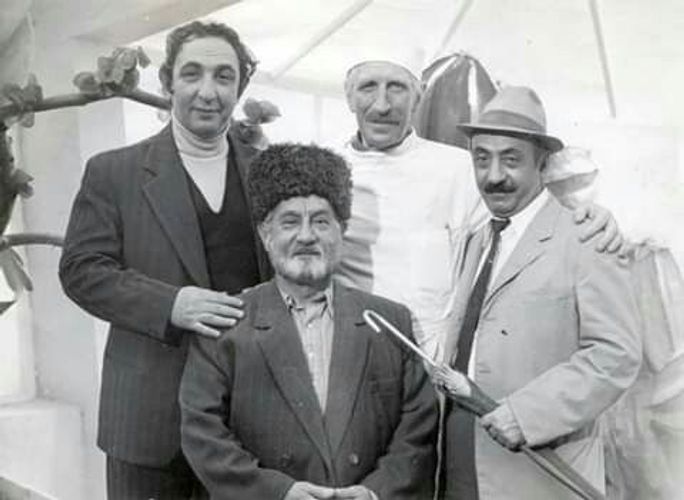
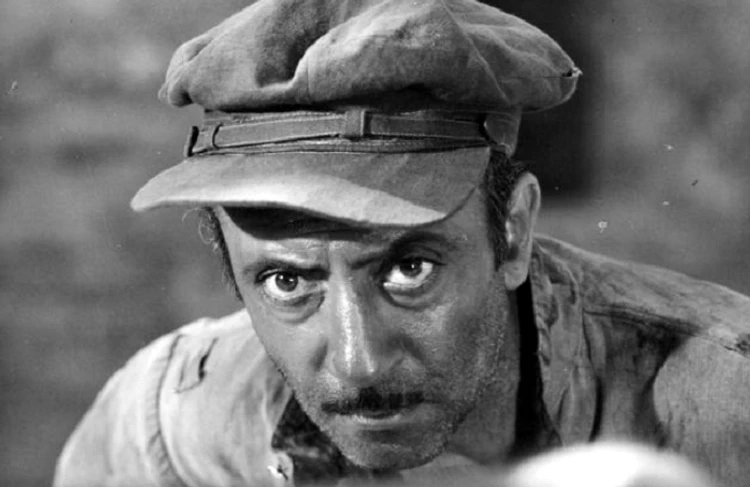
Azərbaycan kinosunun elə simaları var ki, onların adı bəzən tamaşaçıların yadından çıxır, amma yaratdıqları obrazlar heç vaxt unudulmur. Fazil Salayev də məhz belə sənətkarlardan idi. Bir çoxları onu adı ilə deyil, “Qırçı Məhəmməd”, “Mıqqı”, “Foto müxbir” kimi xatırlayır. O, qısa ömür yaşasa da, Azərbaycan kino tarixində silinməz iz qoymağı bacardı.
Fortunamag.az bildirir ki, 1931-ci ilin sentyabrında Bakıda dünyaya gələn Fazil Salayev hələ uşaqlıq illərindən fərqli istedadı ilə seçilirdi. Yazmağa, çəkməyə, yaratmağa həvəsi vardı. Orta məktəbi uğurla başa vurduqdan sonra Əzim Əzimzadə adına Rəssamlıq Məktəbinə daxil oldu. Müəllimlik etdi, nəşriyyatda rəssam kimi çalışdı. Həyat ona sakit və sabit bir peşə vəd edirdi. Amma qəlbində başqa bir səhnə vardı.
Atası oğlunun aktyor olmasını istəmirdi. O dövrdə sənət adamlarına münasibət birmənalı deyildi. Lakin Fazil Salayev öz yolunu seçdi və Teatr İnstitutuna daxil oldu. Bu seçim onun taleyini dəyişdi.
Aktyorluğa gəldiyi ilk illərdə Akademik Milli Dram Teatrında çalışdı. Səhnədə müxtəlif obrazlar yaratdı. Sonradan Musiqili Komediya Teatrına keçdi və burada tamaşaçıların sevgisini qazandı. Amma əsl şöhrət ona kino gətirdi.
1963-cü ildə “Möcüzələr adası” filmində kiçik bir epizodla başlayan kino yolu sonradan Azərbaycan kinosunun ən yaddaqalan obrazlarına çevrildi. “Ulduz” filmində foto müxbir, “Bizim Cəbiş müəllim”də Mıqqı, “Dərviş Parisi partladır”da Qulaməli, “Alma almaya bənzər”də Mehdi... Hər obrazında özünəməxsus yumor, ifadəli mimika və təbii oyun tərzi vardı.
Lakin onun yaradıcılığının zirvəsi şübhəsiz ki, “Şərikli çörək” filmindəki Qırçı Məhəmməd obrazı oldu. Bu rol Fazil Salayevin yalnız komik aktyor olmadığını göstərdi. Sözsüz səhnələrdə belə emosiyanı tamaşaçıya ötürə bilən aktyor öz istedadının fərqli tərəfini ortaya qoydu.
Onu yaxından tanıyanlar Fazil Salayevi qeyri-adi dərəcədə saf, kövrək və mehriban insan kimi xatırlayırlar. Aktyor dostlarının dediyinə görə, onu aldatmaq belə asan idi. Şöhrət qazansa da, heç vaxt özünü başqalarından üstün tutmadı.
Ancaq sənət dünyası hər zaman ona layiq olduğu qiyməti vermədi. Böyük istedadına baxmayaraq, fəxri adlardan, yüksək mükafatlardan kənarda qaldı. Teatrda ona münasibət bəzən ədalətli olmadı. Bu haqsızlıqlar, həyatın ağır tərəfləri onu yavaş-yavaş içkiyə yaxınlaşdırdı.
İçki sonradan onun ən böyük faciəsinə çevrildi. Həmkarlarının xatirələrinə görə, bəzən məşqlərə və tamaşalara sərxoş gəlirdi. Bu səbəbdən teatrdan uzaqlaşdırıldı. Dostları onu dəfələrlə xilas etməyə çalışsalar da, aktyor öz daxilində apardığı mübarizədə getdikcə daha çox yorulurdu.
Ömrünün son illərində səhhəti də pisləşmişdi. Hətta yaxınlarının dediyinə görə, elə vəziyyətə düşmüşdü ki, günlərlə yemək yemir, qida qəbul edə bilmirdi.
Buna baxmayaraq, ekrandakı Fazil Salayev həmişə gülərüz, həyat dolu və enerjili görünürdü. Tamaşaçı onun şəxsi ağrılarını hiss etmirdi.
1978-ci il iyunun 20-si. Evdə kiçik qızı Ofeliyanın doğum günü qeyd olunurdu. Həmin gün Azərbaycan kinosunun ən istedadlı aktyorlarından biri həyata gözlərini yumdu. Cəmi 46 yaşında...
Bu gün aradan onilliklər keçsə də, Fazil Salayevin yaratdığı obrazlar yaşayır. Çünki bəzi aktyorlar rollar oynayırlar, bəziləri isə rolların özünə çevrilirlər. Fazil Salayev ikinci qəbildən idi.
O, qısa ömür yaşadı. Amma Azərbaycan tamaşaçısının yaddaşında əbədi qaldı.
Qeyd: Fazil Salayevin ölüm tarixi ilə bağlı mənbələrdə fərqli məlumatlara rast gəlinir. Ən çox qəbul olunan məlumat onun 20 iyun 1978-ci ildə vəfat etməsidir.
Lakin bəzi bioqrafik mənbələrdə və ensiklopedik qeydlərdə 16 iyun 1978-ci il tarixi də göstərilir. Bu səbəbdən tarixlə bağlı müəyyən ziddiyyət mövcuddur.