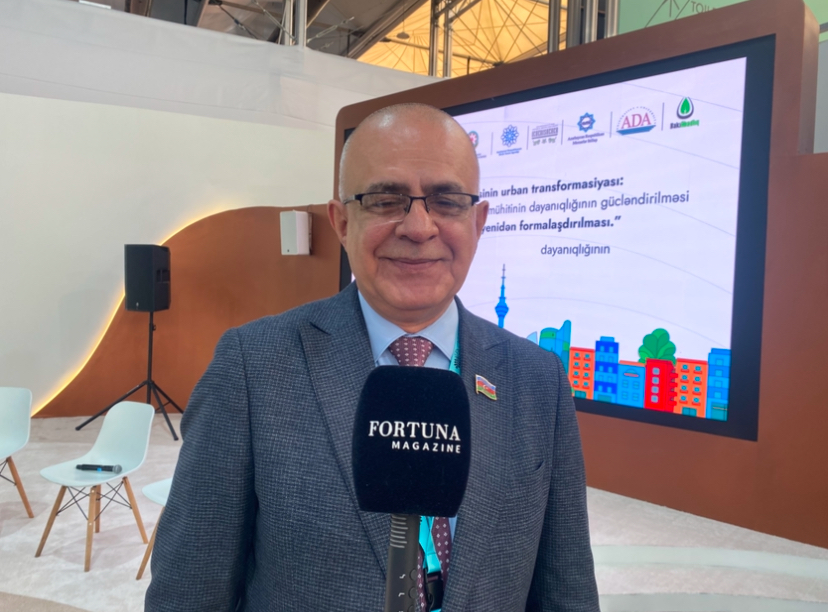
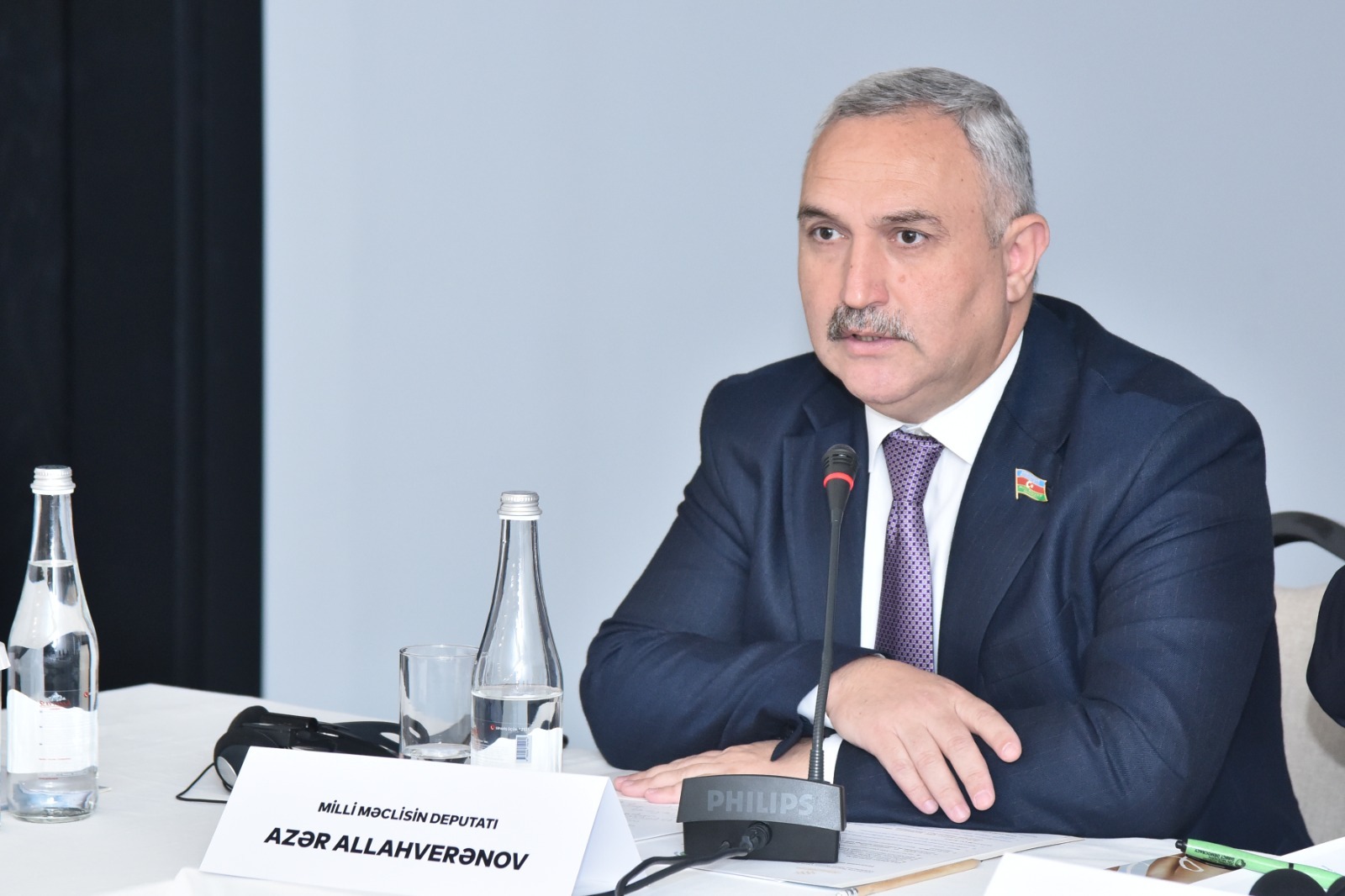
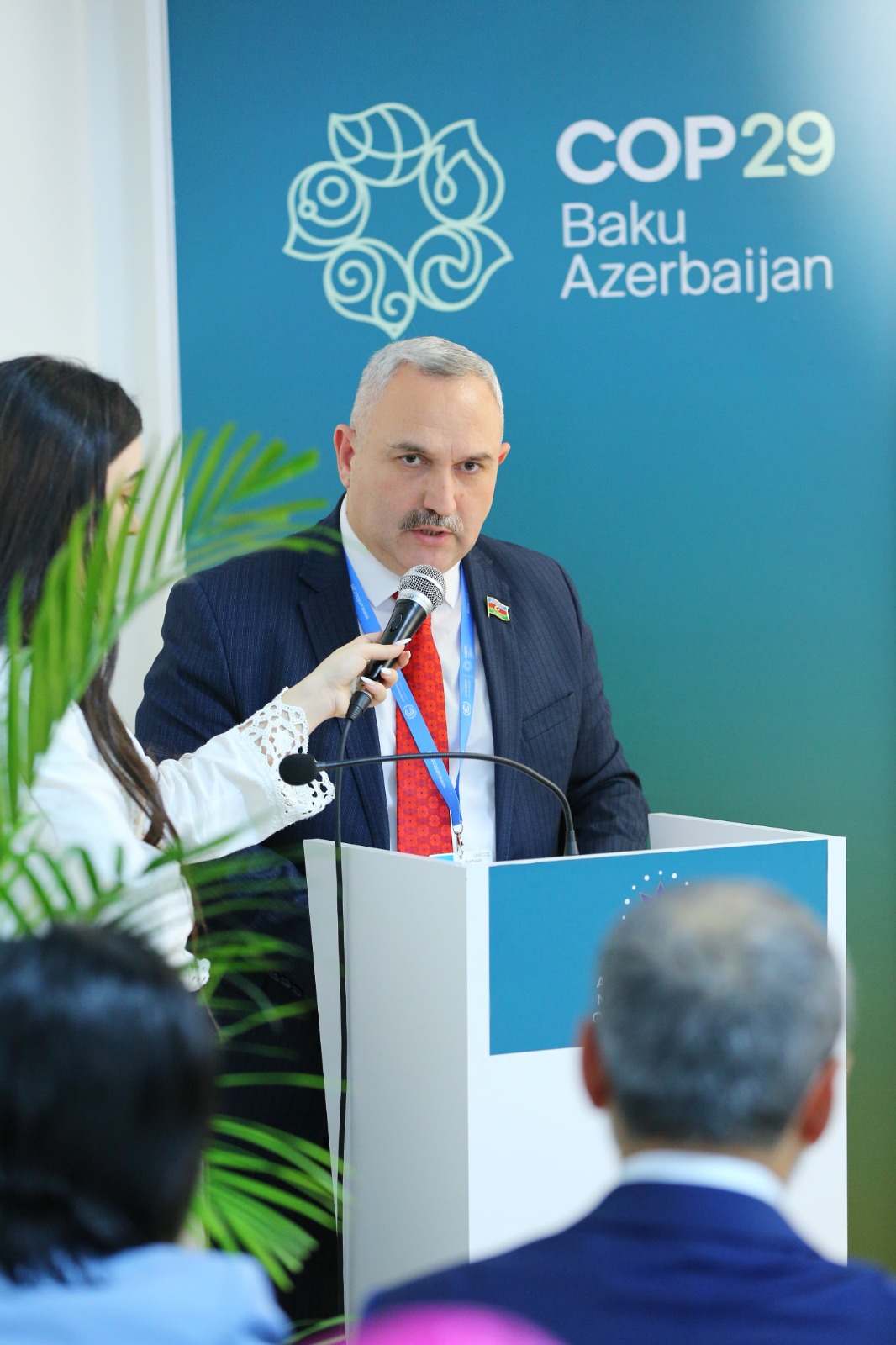
Hər bir insanın həyat yolunda sınaqlar, imtahanlar və çətinliklər olur. Amma elə insanlar var ki, bu çətinliklər onları daha da möhkəmləndirir. Onlar iradə və əzmkarlıqla həm öz inkişaflarını davam etdirir, həm də cəmiyyətə fayda gətirməyi bacarırlar.Belə şəxsiyyətlərdən biri – Milli Məclisin deputatı, Azərbaycan Respublikasının QHT-lərə Dövlət Dəstəyi Agentliyinin Müşahidə Şurasının üzvü Azər Allahverənov “Fortuna” jurnalın qonağı oldu.Azər müəllimlə müsahibəmiz zamanı onun uşaqlıq illərinə aid xatirələrdən, tələbəlikdə üzləşdiyi çətinliklərdən, gənclər hərəkatındakı fəallığından və beynəlxalq təşkilatlarda qazandığı təcrübədən danışdıq. Azər müəllim həmçinin deputatlıq fəaliyyəti ilə QHT sektorundakı iş prinsipləri arasında paralellər apararaq, uğura aparan əsas amilləri – inam, əzmkarlıq və cəmiyyətə faydalı olmağı vurğuladı.Bu müsahibə oxuculara yalnız bir siyasətçinin fəaliyyət yolunu deyil, həm də insanın daxili gücü, cəsarəti və məqsədyönlülüyü sayəsində hər bir çətinliyi aşmağın mümkün olduğunu göstərən ilhamverici bir hekayə təqdim edir. 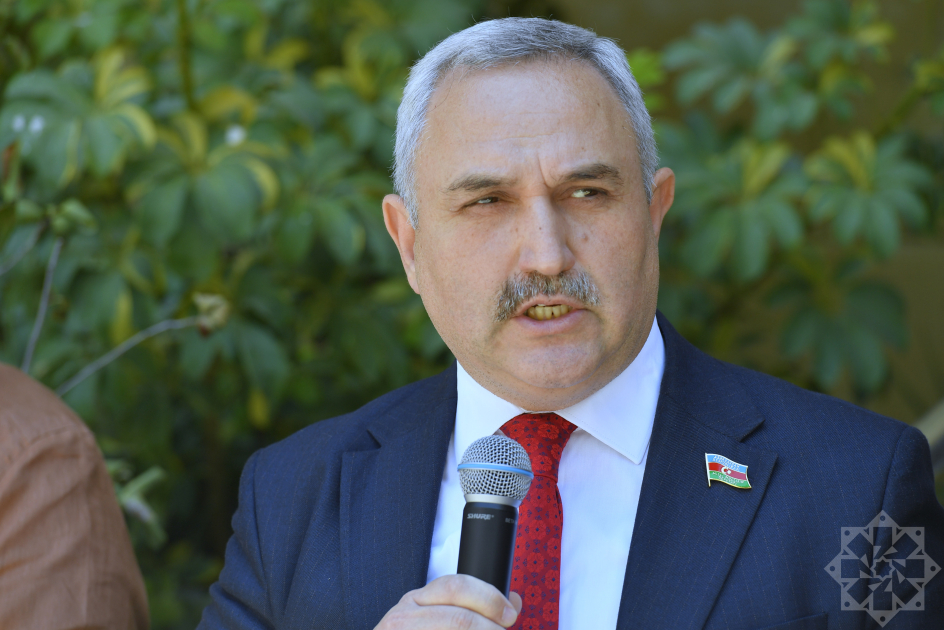 — Xoş gəlmisiniz, Azər müəllim! Zəhmət olmasa, bir az özünüz haqqında danışın.— Düşünürəm ki, söhbətə uşaqlıq illərimdən başlamaq daha doğru olar. Mən Bakıda doğulmuşam və necə deyərlər, “şəhər uşağı” olmuşam – yəni şəhərin mərkəzində böyümüş bir oğlan. Vaxtilə Bakı şəhəri üzrə Təhsil İdarəsinin yaxınlığında yerləşən Nəsimi rayon 152 nömrəli tam orta ümumtəhsil məktəbində oxumuşam. Bu gün də elə orada – həmin ünvana yaxın yerləşən birmərtəbəli ümumi həyət evlərində yaşayıram. Məktəbimiz əslində beynəlxalq bir mühitə malik idi: müəllimlərimizin və sinif yoldaşlarımızın əksəriyyəti digər millətlərin nümayəndələri idi. Biz heç vaxt bir-birimizi “özgə” və ya “yad”lara bölmürdük, prinsipial olaraq bu anlayışları belə qəbul etmirdik. Bu prinsipdən irəli gələrək, münasibətlərimizdə fərq qoymurduq və bir-birimizlə ünsiyyətimizdə millətlərarası müxtəliflikdən irəli gələn hər hansı problem yaşamırdıq.Məktəbdə yaxşı oxuyurdum, əlaçı idim, 6-cı sinifdən məktəbi bitirənədək şəkilim Şərəf lövhəsində asılmışdı. Müxtəlif fənn olimpiadalarında fəal iştirak edirdim, yüksək yerlər qazanırdım. Bununla yanaşı, beş il musiqi məktəbində oxumuşam və eyni zamanda boksla məşğul olurdum. Biz çox maraqlı bir dövrdə böyüdük: məktəb illərimiz dərnəklərlə, düşərgələrlə, idman və intellektual oyunlarla zəngin idi. Mən də bu gənclik hərəkatının fəal bir üzvü idim, hər zaman ictimai işlərdə iştirak edirdim. Bütün bunlar bizi formalaşdırıb, zəhmətə alışdırıb, hər zaman inkişaf etməyə və dünyaya açıq qalmağa öyrədib.— Azər müəllim, bəs həyat yolunuzu necə seçdiniz?— Məktəbi bitirdikdən sonra qərara gəldim ki, sənədlərimi Kazan Dövlət Universitetinə təqdim edim. Üç imtahan nəticəsində yüksək bal toplamağıma baxmayaraq, ilk cəhddə qəbul ola bilmədim. O dövrdə imtahan komissiyası üstünlüyü Tatarıstan və yaxın regionlardan olan abituriyentlərə verirdi. Amma mən inadkarlıq göstərdim, geri çəkilmədim. Növbəti il – 1990-cı ildə yenidən sənəd verdim və bu dəfə artıq tarix fakültəsinin tələbəsi oldum.Kazan həyatı mənim üçün maraqlı, vacib, amma eyni zamanda çətin bir mərhələ idi. Bu, 90-cı illərin əvvəlləri, Azərbaycan üçün ağır bir dövr idi: 1991-ci ildə Birinci Qarabağ müharibəsi başladı. Biz doğma Vətəndən uzaqda olmağımıza baxmayaraq, milli münasibətlərdəki gərginliyi orada da hiss edirdik. Kazanda mən bir qrup azərbaycanlının təmsil olunduğu diaspor fəaliyyətinə aktiv şəkildə qoşuldum, “Oğuz” mədəniyyət cəmiyyətinin rəhbərliyində yer aldım. Biz, tələbələr, Azərbaycan xalqına qarşı törədilən hadisələri dünya ictimaiyyətinin diqqətinə çatdırmağa çalışırdıq, imkanımız daxilində humanitar dəstək göstərirdik, görüşlər təşkil edirdik, Vətənə faydalı ola bilmək üçün kənar imkanlar axtarırdıq. Resurslarımız məhdud olmasına, universitetin və yerli qurumların təzyiqlərinə, hətta haqsız ittihamlara baxmayaraq, inanırdıq ki, gördüyümüz işlər olduqca əhəmiyyətlidir. Bəzi hallarda belə hətta mümkünsüz görünən bir işi mümkün edirdik ki, nəticə etibarilə bundan əlində silahla səngərdə vuruşan əsgər belə bu dəstəyi hiss edirdi. Xüsusilə Xocalı faciəsi zamanı bunu daha dərindən anladım. Həmin dəhşətli hadisəni əks etdirən səkkiz ədəd montaj olunmamış video kaset Moskva şəhərinə göndərildi. O kadrlar arasında Xankəndində dislokasiya olunmuş 366-cı rus motoatıcı alayının texnikasının Xocalıda iştirakına dair açıq sübutlar da var idi. Bu kasetləri əldə etmək üçün cəmiyyətimiz məni və digər bir fəalımızı Moskvaya yola saldı və biz də ora çatdıqdan sonra qabaqcadan bizə deyilmiş ünvana getdik. Müəyyən təhlükəsizlik tədbirlərini də əldən vermədik. Çünki çox təhlükəli bir səfər idi – əgər belə materiallar üzərimizdə aşkarlansaydı, ciddi problemlərlə üzləşə bilərdik.Kazana qayıtdıqdan sonra kasetlərin surətlərini çıxarıb gənclər arasında yaydıq, onlar isə öz kanalları vasitəsilə bütün Tatarıstana çatdırdılar. Daha da önəmlisi, mənim fəal iştirakımla 1992-ci ilin aprel ayının əvvəlində Kazanda, Aktyorlar Evində keçirilən Tatar İctimai Mərkəzinin Plenumu çərçivəsində mətbuat konfransı təşkil etdik. Mən orada Xocalı faciəsi ilə bağlı məruzə etdim və həmin kasetlərin bəzi fraqmentlərini nümayiş etdirdik. O dövrdə nə Tatarıstanda, nə də ümumən Rusiyada bu faciə haqqında demək olar ki, heç kim məlumatlı deyildi. Biz Kazanda bu həqiqəti ilk dəfə açıqlayanlardan olduq. Sözün əsl mənasında Azərbaycanın həmin vaxtlar üzləşdiyi informasiya blokadasını yarmağa müvəffəq olduq ki, bu da bizim kimi gənclərin informasiya müharibəsinin ön cəbhəsində olmasından xəbər verirdi.Əlbəttə, ciddi maneələrlə, təzyiqlərlə də üzləşirdik. Amma inadla davam edirdik. Bu sınaqlar bizi möhkəmləndirdi, çətinliklərə sinə gəlməyi, mövqeyimizi müdafiə etməyi öyrətdi. Azərbaycana qayıtdıqdan sonra isə artıq bu təcrübə ilə ictimai-siyasi fəaliyyətimi davam etdirdim.
 — İş barədə danışdıq, indi isə hobbiyə toxunmaq istərdim. Məlumdur ki, siz şeirlər yazırsınız…— Bəli, bir vaxtlar nisbətən qısa müddətdə çoxlu şeirlər yazmışam… Həm əruzda, həm sərbəst üslubda, həm də azərbaycanca, rusca. Hər şey qəfil baş verdi, özüm də bilmirəm niyə – birdən-birə ilhamlandım və yazmağa başladım. Şeirlərimin bəziləri dərc olunub. Ümumilikdə o qədər toplanıb ki, bir kitaba bəs edərdi. Amma onu tərtib edib nəşr etdirməyə tamamilə vaxtım yoxdur.Bəzən düşünürəm: məndə şeir yazmaq meyli haradan yaranıb, özü də azərbaycanca? Axı mən həm bağçada, həm məktəbdə rus sektorunda oxumuşam, Kazan Dövlət Universitetində də rusca təhsil almışam, elmi işlərimi və publisistik məqalələrimi də bu dildə yazmışam. Çox vaxt insanlar təəccüblə deyirlər: «Gör necə yaxşı azərbaycanca danışırsan!» Mən isə özüm də bilmirəm, necə bu qədər dili inkişaf etdirmişəm. Dəqiq bilirəm ki, məktəbdəki azərbaycan dili dərsləri zamanında yox, baxmayaraq ki, o dərslərdə, demək olar, hamının əvəzinə cavab verməli olurdum. Azərbaycan dilini bilməyən sinif yoldaşlarım tez-tez xahiş edirdilər ki, xüsusilə qrammatika məsələsində, müəllim onları çağırmasın deyə, mən özüm könüllü olaraq cavab verim.Doğrudur, məktəbdə azərbaycanca oxumamışdım, amma həmin dövrdə əsasən məhz azərbaycanca danışırdım. Fikirləşirəm, bəlkə məsələ genlərdədir? Atam da gənclikdə poeziya ilə həvəskar şəkildə maraqlanmışdı. Anam tərəfdən ulu babam Əbdülvahid Ağa isə Molla Vəli Vidadinin nəticəsi – onun nəvəsi Səadət xanımın oğlu idi. Ana tərəfdən Qazaxda tanınmış Qayıb-zadə, Əfəndi-zadə, Hacıqasımovlar, Dilbazi, Şıxlinskilər, Qiyasbəylilər kimi məşhur ailələrlə qohumluğum var.— Sizin fikrinizcə, uğura necə, hansı yolla nail olmaq olar?— Bunun üçün, hər şeydən əvvəl, məncə, insan həyatının işinə məsuliyyətlə yanaşmalı və onu ləyaqətlə yerinə yetirməlidir. Məqsədə çatmaq üçün hansısa dolayı yollarla aldanmamalıdır. Daim öz üzərində işləməlidir. İdmançı bədəni inkişaf etdirən kimi, məqsədinə çatmaq istəyən insan da ruhunu və ağlını inkişaf etdirməlidir.İnsanın həyatı onilliklərlə özü tərəfindən zərrə-zərrə yığılan bir pazlı xatırladır. Kimdəsə bu pazl düzülür, kimdəsə – yox. Amma hər bir halda insan vətəndaş olaraq qalmalıdır, öz torpağını, xalqını, dövlətini sevməlidir. Fəaliyyətləri ilə onlara fayda gətirməyə çalışmalıdır. Çoxsaylı insanlara faydalı olmağın insanın özünə dayaq olur və həyata məna qazandırır. Bu mənim üçün prinsipial mövqedir. Axı biz Robinzon Kruzo kimi heç kim yaşamayan adada yaşamırıq. Biz insanlar arasında yaşayırıq. Hər birimiz cəmiyyətin bir hissəsiyik və insanın eqosu cəmiyyətin maraqlarından üstün olmamalıdır. Əgər ətrafımda problemlər mövcuddursa, mən isə kənara çəkilib «bu məni maraqlandırmır» deyirəmsə, özümü necə xoşbəxt saya bilərəm?Uğura nail olmaq üçün həm də başqasının fikrini qəbul etməyi və hörmətlə yanaşmağı bacarmaq lazımdır, amma eyni zamanda öz prinsiplərindən imtina etməməlisən. Eyni vəziyyətdə, eyni şəraitdə müxtəlif insanlar fərqli davranır. Bu, onların ailəsindən, ətraf mühitindən, yaşadığı regiondan asılıdır. Hər kəsin mövqeyini anlamağa çalışmaq lazımdır. Fikir müxtəlifliyini isə problem kimi deyil, həyatın çoxrəngliliyi kimi qəbul etmək lazımdır. Amma davranışda öz ürəyinin və ağlının dediyi ilə hərəkət etməlisən.Məsələn, yaxınlarda bizdə çoxsaylı qonaqların iştirak etdiyi bir ailə tədbiri oldu. Mən hər birini qapıda qarşıladım və masadakı yerinə qədər ötürdüm. Mənə dedilər: «Bunu niyə özün edirsən? Ailə üzvlərinə və ya köməkçilərə tapşıra bilərdin». Mən isə belə cavab verdim: «Bu mənim qonaqlarımdır. Mən hər qonağımı şəxsən qarşılamalıyam, əks halda, o, mənim haqqımda bir qədər fərqli düşünə bilər». Mənim həmsöhbətim bu sözlərdən sonra fikrə getdi, baxmayaraq ki, mənimlə razılaşmadı. Amma bu normaldır. Ağ rəng spektrin bütün rənglərindən ibarət olduğu kimi, həyat və cəmiyyət üçün faydalar da fikir müxtəlifliyindədir. Bu, ən düzgün həlli tapmaq üçün vacibdir.
— Xoş gəlmisiniz, Azər müəllim! Zəhmət olmasa, bir az özünüz haqqında danışın.— Düşünürəm ki, söhbətə uşaqlıq illərimdən başlamaq daha doğru olar. Mən Bakıda doğulmuşam və necə deyərlər, “şəhər uşağı” olmuşam – yəni şəhərin mərkəzində böyümüş bir oğlan. Vaxtilə Bakı şəhəri üzrə Təhsil İdarəsinin yaxınlığında yerləşən Nəsimi rayon 152 nömrəli tam orta ümumtəhsil məktəbində oxumuşam. Bu gün də elə orada – həmin ünvana yaxın yerləşən birmərtəbəli ümumi həyət evlərində yaşayıram. Məktəbimiz əslində beynəlxalq bir mühitə malik idi: müəllimlərimizin və sinif yoldaşlarımızın əksəriyyəti digər millətlərin nümayəndələri idi. Biz heç vaxt bir-birimizi “özgə” və ya “yad”lara bölmürdük, prinsipial olaraq bu anlayışları belə qəbul etmirdik. Bu prinsipdən irəli gələrək, münasibətlərimizdə fərq qoymurduq və bir-birimizlə ünsiyyətimizdə millətlərarası müxtəliflikdən irəli gələn hər hansı problem yaşamırdıq.Məktəbdə yaxşı oxuyurdum, əlaçı idim, 6-cı sinifdən məktəbi bitirənədək şəkilim Şərəf lövhəsində asılmışdı. Müxtəlif fənn olimpiadalarında fəal iştirak edirdim, yüksək yerlər qazanırdım. Bununla yanaşı, beş il musiqi məktəbində oxumuşam və eyni zamanda boksla məşğul olurdum. Biz çox maraqlı bir dövrdə böyüdük: məktəb illərimiz dərnəklərlə, düşərgələrlə, idman və intellektual oyunlarla zəngin idi. Mən də bu gənclik hərəkatının fəal bir üzvü idim, hər zaman ictimai işlərdə iştirak edirdim. Bütün bunlar bizi formalaşdırıb, zəhmətə alışdırıb, hər zaman inkişaf etməyə və dünyaya açıq qalmağa öyrədib.— Azər müəllim, bəs həyat yolunuzu necə seçdiniz?— Məktəbi bitirdikdən sonra qərara gəldim ki, sənədlərimi Kazan Dövlət Universitetinə təqdim edim. Üç imtahan nəticəsində yüksək bal toplamağıma baxmayaraq, ilk cəhddə qəbul ola bilmədim. O dövrdə imtahan komissiyası üstünlüyü Tatarıstan və yaxın regionlardan olan abituriyentlərə verirdi. Amma mən inadkarlıq göstərdim, geri çəkilmədim. Növbəti il – 1990-cı ildə yenidən sənəd verdim və bu dəfə artıq tarix fakültəsinin tələbəsi oldum.Kazan həyatı mənim üçün maraqlı, vacib, amma eyni zamanda çətin bir mərhələ idi. Bu, 90-cı illərin əvvəlləri, Azərbaycan üçün ağır bir dövr idi: 1991-ci ildə Birinci Qarabağ müharibəsi başladı. Biz doğma Vətəndən uzaqda olmağımıza baxmayaraq, milli münasibətlərdəki gərginliyi orada da hiss edirdik. Kazanda mən bir qrup azərbaycanlının təmsil olunduğu diaspor fəaliyyətinə aktiv şəkildə qoşuldum, “Oğuz” mədəniyyət cəmiyyətinin rəhbərliyində yer aldım. Biz, tələbələr, Azərbaycan xalqına qarşı törədilən hadisələri dünya ictimaiyyətinin diqqətinə çatdırmağa çalışırdıq, imkanımız daxilində humanitar dəstək göstərirdik, görüşlər təşkil edirdik, Vətənə faydalı ola bilmək üçün kənar imkanlar axtarırdıq. Resurslarımız məhdud olmasına, universitetin və yerli qurumların təzyiqlərinə, hətta haqsız ittihamlara baxmayaraq, inanırdıq ki, gördüyümüz işlər olduqca əhəmiyyətlidir. Bəzi hallarda belə hətta mümkünsüz görünən bir işi mümkün edirdik ki, nəticə etibarilə bundan əlində silahla səngərdə vuruşan əsgər belə bu dəstəyi hiss edirdi. Xüsusilə Xocalı faciəsi zamanı bunu daha dərindən anladım. Həmin dəhşətli hadisəni əks etdirən səkkiz ədəd montaj olunmamış video kaset Moskva şəhərinə göndərildi. O kadrlar arasında Xankəndində dislokasiya olunmuş 366-cı rus motoatıcı alayının texnikasının Xocalıda iştirakına dair açıq sübutlar da var idi. Bu kasetləri əldə etmək üçün cəmiyyətimiz məni və digər bir fəalımızı Moskvaya yola saldı və biz də ora çatdıqdan sonra qabaqcadan bizə deyilmiş ünvana getdik. Müəyyən təhlükəsizlik tədbirlərini də əldən vermədik. Çünki çox təhlükəli bir səfər idi – əgər belə materiallar üzərimizdə aşkarlansaydı, ciddi problemlərlə üzləşə bilərdik.Kazana qayıtdıqdan sonra kasetlərin surətlərini çıxarıb gənclər arasında yaydıq, onlar isə öz kanalları vasitəsilə bütün Tatarıstana çatdırdılar. Daha da önəmlisi, mənim fəal iştirakımla 1992-ci ilin aprel ayının əvvəlində Kazanda, Aktyorlar Evində keçirilən Tatar İctimai Mərkəzinin Plenumu çərçivəsində mətbuat konfransı təşkil etdik. Mən orada Xocalı faciəsi ilə bağlı məruzə etdim və həmin kasetlərin bəzi fraqmentlərini nümayiş etdirdik. O dövrdə nə Tatarıstanda, nə də ümumən Rusiyada bu faciə haqqında demək olar ki, heç kim məlumatlı deyildi. Biz Kazanda bu həqiqəti ilk dəfə açıqlayanlardan olduq. Sözün əsl mənasında Azərbaycanın həmin vaxtlar üzləşdiyi informasiya blokadasını yarmağa müvəffəq olduq ki, bu da bizim kimi gənclərin informasiya müharibəsinin ön cəbhəsində olmasından xəbər verirdi.Əlbəttə, ciddi maneələrlə, təzyiqlərlə də üzləşirdik. Amma inadla davam edirdik. Bu sınaqlar bizi möhkəmləndirdi, çətinliklərə sinə gəlməyi, mövqeyimizi müdafiə etməyi öyrətdi. Azərbaycana qayıtdıqdan sonra isə artıq bu təcrübə ilə ictimai-siyasi fəaliyyətimi davam etdirdim.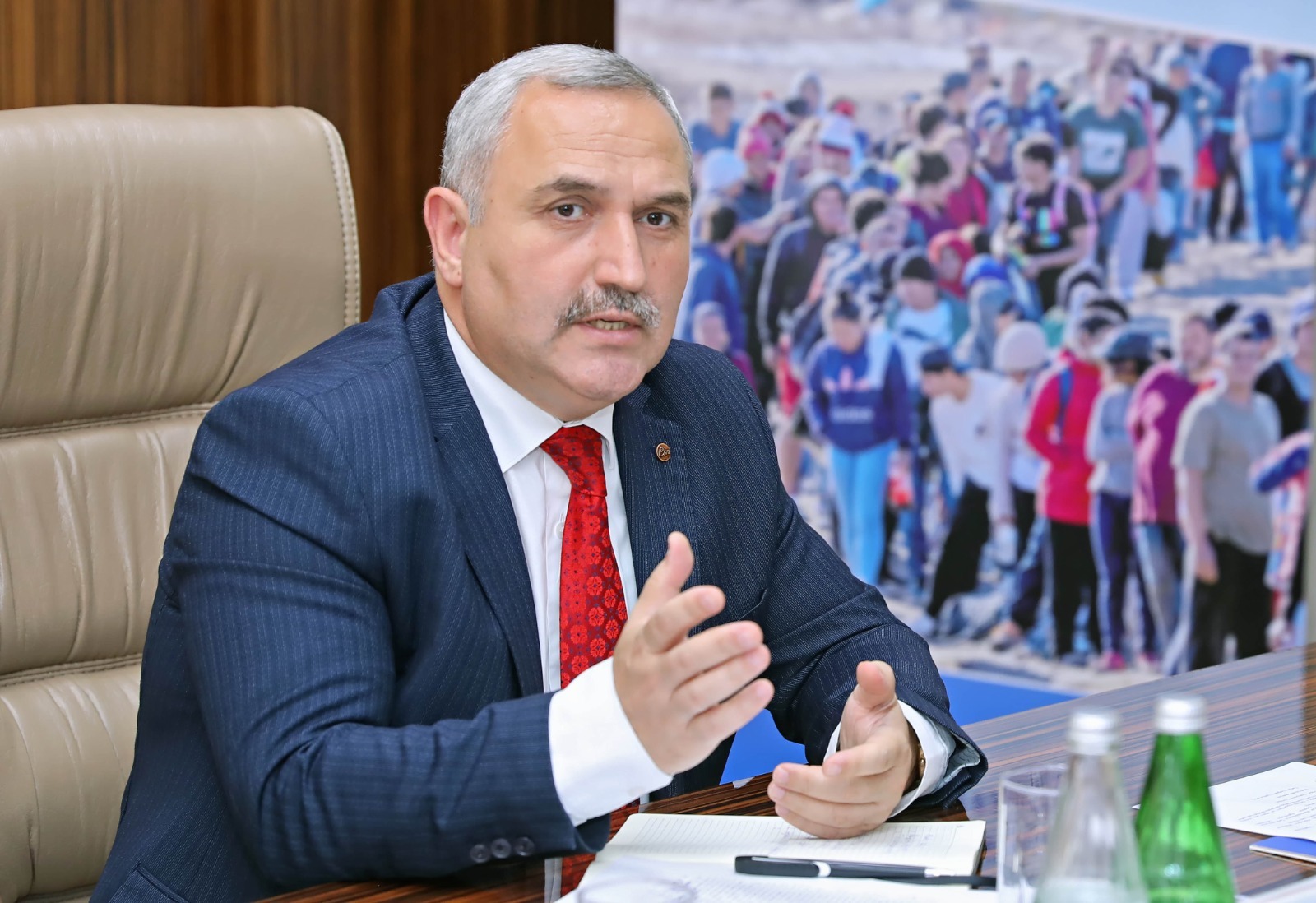
— İş barədə danışdıq, indi isə hobbiyə toxunmaq istərdim. Məlumdur ki, siz şeirlər yazırsınız…— Bəli, bir vaxtlar nisbətən qısa müddətdə çoxlu şeirlər yazmışam… Həm əruzda, həm sərbəst üslubda, həm də azərbaycanca, rusca. Hər şey qəfil baş verdi, özüm də bilmirəm niyə – birdən-birə ilhamlandım və yazmağa başladım. Şeirlərimin bəziləri dərc olunub. Ümumilikdə o qədər toplanıb ki, bir kitaba bəs edərdi. Amma onu tərtib edib nəşr etdirməyə tamamilə vaxtım yoxdur.Bəzən düşünürəm: məndə şeir yazmaq meyli haradan yaranıb, özü də azərbaycanca? Axı mən həm bağçada, həm məktəbdə rus sektorunda oxumuşam, Kazan Dövlət Universitetində də rusca təhsil almışam, elmi işlərimi və publisistik məqalələrimi də bu dildə yazmışam. Çox vaxt insanlar təəccüblə deyirlər: «Gör necə yaxşı azərbaycanca danışırsan!» Mən isə özüm də bilmirəm, necə bu qədər dili inkişaf etdirmişəm. Dəqiq bilirəm ki, məktəbdəki azərbaycan dili dərsləri zamanında yox, baxmayaraq ki, o dərslərdə, demək olar, hamının əvəzinə cavab verməli olurdum. Azərbaycan dilini bilməyən sinif yoldaşlarım tez-tez xahiş edirdilər ki, xüsusilə qrammatika məsələsində, müəllim onları çağırmasın deyə, mən özüm könüllü olaraq cavab verim.Doğrudur, məktəbdə azərbaycanca oxumamışdım, amma həmin dövrdə əsasən məhz azərbaycanca danışırdım. Fikirləşirəm, bəlkə məsələ genlərdədir? Atam da gənclikdə poeziya ilə həvəskar şəkildə maraqlanmışdı. Anam tərəfdən ulu babam Əbdülvahid Ağa isə Molla Vəli Vidadinin nəticəsi – onun nəvəsi Səadət xanımın oğlu idi. Ana tərəfdən Qazaxda tanınmış Qayıb-zadə, Əfəndi-zadə, Hacıqasımovlar, Dilbazi, Şıxlinskilər, Qiyasbəylilər kimi məşhur ailələrlə qohumluğum var.— Sizin fikrinizcə, uğura necə, hansı yolla nail olmaq olar?— Bunun üçün, hər şeydən əvvəl, məncə, insan həyatının işinə məsuliyyətlə yanaşmalı və onu ləyaqətlə yerinə yetirməlidir. Məqsədə çatmaq üçün hansısa dolayı yollarla aldanmamalıdır. Daim öz üzərində işləməlidir. İdmançı bədəni inkişaf etdirən kimi, məqsədinə çatmaq istəyən insan da ruhunu və ağlını inkişaf etdirməlidir.İnsanın həyatı onilliklərlə özü tərəfindən zərrə-zərrə yığılan bir pazlı xatırladır. Kimdəsə bu pazl düzülür, kimdəsə – yox. Amma hər bir halda insan vətəndaş olaraq qalmalıdır, öz torpağını, xalqını, dövlətini sevməlidir. Fəaliyyətləri ilə onlara fayda gətirməyə çalışmalıdır. Çoxsaylı insanlara faydalı olmağın insanın özünə dayaq olur və həyata məna qazandırır. Bu mənim üçün prinsipial mövqedir. Axı biz Robinzon Kruzo kimi heç kim yaşamayan adada yaşamırıq. Biz insanlar arasında yaşayırıq. Hər birimiz cəmiyyətin bir hissəsiyik və insanın eqosu cəmiyyətin maraqlarından üstün olmamalıdır. Əgər ətrafımda problemlər mövcuddursa, mən isə kənara çəkilib «bu məni maraqlandırmır» deyirəmsə, özümü necə xoşbəxt saya bilərəm?Uğura nail olmaq üçün həm də başqasının fikrini qəbul etməyi və hörmətlə yanaşmağı bacarmaq lazımdır, amma eyni zamanda öz prinsiplərindən imtina etməməlisən. Eyni vəziyyətdə, eyni şəraitdə müxtəlif insanlar fərqli davranır. Bu, onların ailəsindən, ətraf mühitindən, yaşadığı regiondan asılıdır. Hər kəsin mövqeyini anlamağa çalışmaq lazımdır. Fikir müxtəlifliyini isə problem kimi deyil, həyatın çoxrəngliliyi kimi qəbul etmək lazımdır. Amma davranışda öz ürəyinin və ağlının dediyi ilə hərəkət etməlisən.Məsələn, yaxınlarda bizdə çoxsaylı qonaqların iştirak etdiyi bir ailə tədbiri oldu. Mən hər birini qapıda qarşıladım və masadakı yerinə qədər ötürdüm. Mənə dedilər: «Bunu niyə özün edirsən? Ailə üzvlərinə və ya köməkçilərə tapşıra bilərdin». Mən isə belə cavab verdim: «Bu mənim qonaqlarımdır. Mən hər qonağımı şəxsən qarşılamalıyam, əks halda, o, mənim haqqımda bir qədər fərqli düşünə bilər». Mənim həmsöhbətim bu sözlərdən sonra fikrə getdi, baxmayaraq ki, mənimlə razılaşmadı. Amma bu normaldır. Ağ rəng spektrin bütün rənglərindən ibarət olduğu kimi, həyat və cəmiyyət üçün faydalar da fikir müxtəlifliyindədir. Bu, ən düzgün həlli tapmaq üçün vacibdir.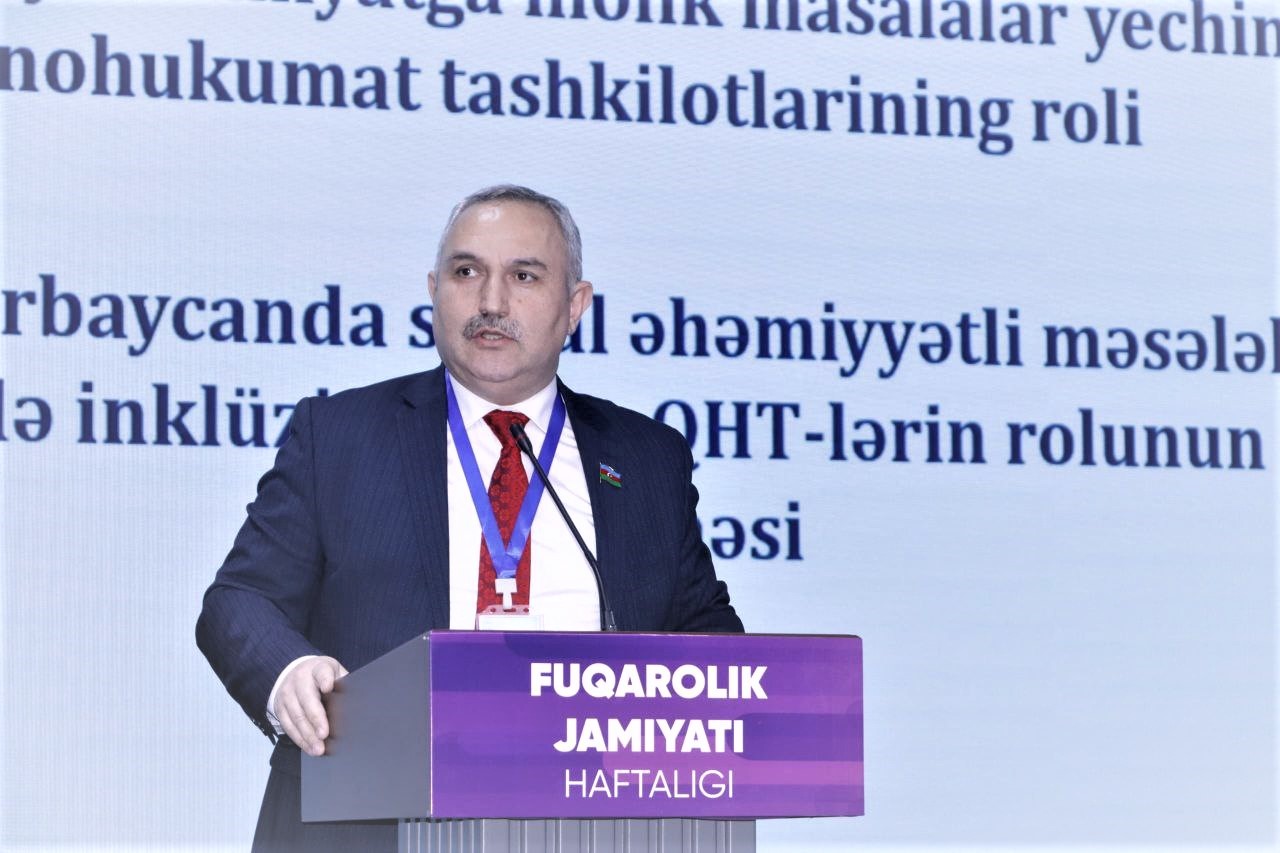
Müsahibəni apardı: Səidə Musayeva, Fortuna jurnalının baş redaktoru.